20

20世纪早期工业专利风格蓝图
Enlarge

20世纪早期工业专利风格蓝图

Prompt
Prompt share: Blueprint
💬Prompt:
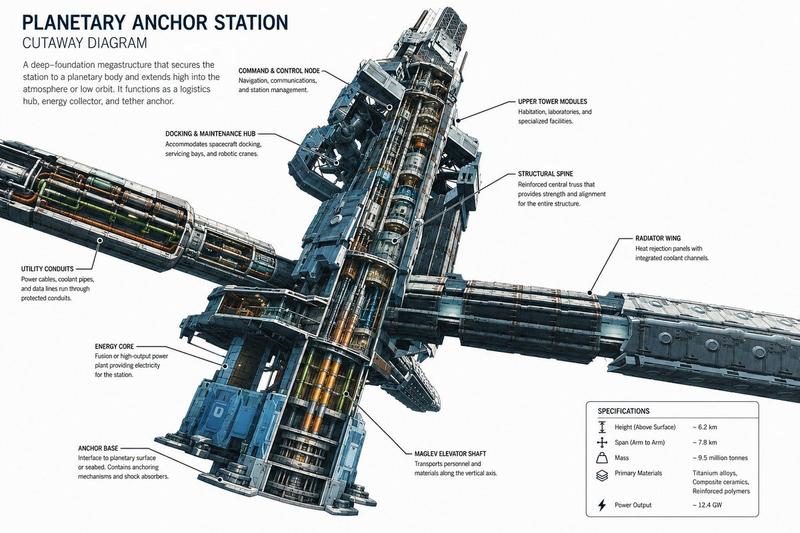
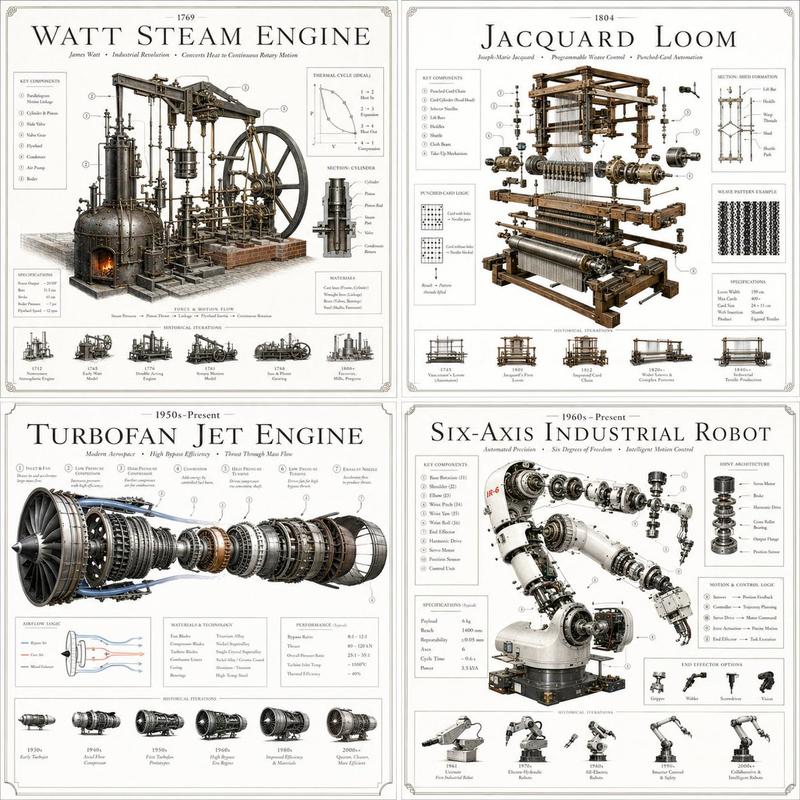
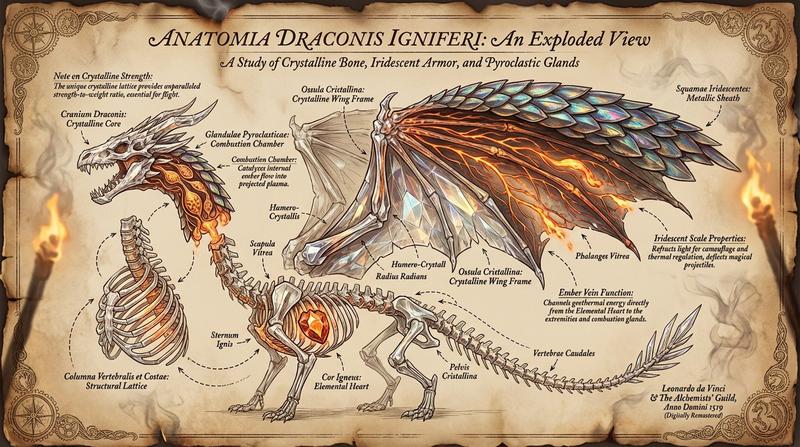
A blueprint schematic of a [subject], drawn in the style of early 20th-century industrial patents. Rendered in crisp blue ink with white technical lines, featuring exploded views, angular labels, and stamped diagram codes.
Check ATLs for inspiration ✨
Category
Illustration & Art
Model
Unknown
Views7
Source ID
early-20th-century-industrial-patent-style-blueprint

Guide

About "20世纪早期工业专利风格蓝图"

What is this prompt for?

"20世纪早期工业专利风格蓝图" AI image prompt for Unknown (Illustration & Art). Prompt share: Blueprint 💬Prompt: A blueprint schematic of a [subject], drawn in the style o…

The full copyable prompt and example visuals above are ready for AI image generation or one-click recreate in Picva.

How to use this prompt

  1. Step 1

    Open the prompt detail

    Review the example visuals, category, and full prompt text for "20世纪早期工业专利风格蓝图".

  2. Step 2

    Copy the prompt

    Copy the prompt body from this page, or load it directly in Studio.

  3. Step 3

    Pick a model (Unknown)

    Prefer Unknown. If you switch models, keep subject and composition and tweak style terms.

  4. Step 4

    Generate and export

    Recreate the look in Picva, or export into your workflow for editing and publishing.

FAQ

What is the "20世纪早期工业专利风格蓝图" prompt?
It is an AI image-generation prompt for Unknown in the Illustration & Art category. This page includes the full prompt text, example visuals, and a one-click recreate path in Picva.
How do I use this prompt to generate an image?
Copy the prompt from this page, or use Generate / Studio. Paste it into a compatible image model, or recreate the look in Picva with optional reference images.
Which model is this prompt for?
This page lists Unknown. Most descriptive prompts also transfer to nearby image models such as GPT Image, Flux, or Midjourney with light style tweaks.
Can I use the result commercially?
You can usually copy the prompt for creation, but commercial use of the final image depends on the model terms, reference-image rights, and the generated content. Follow the source author and platform rules.