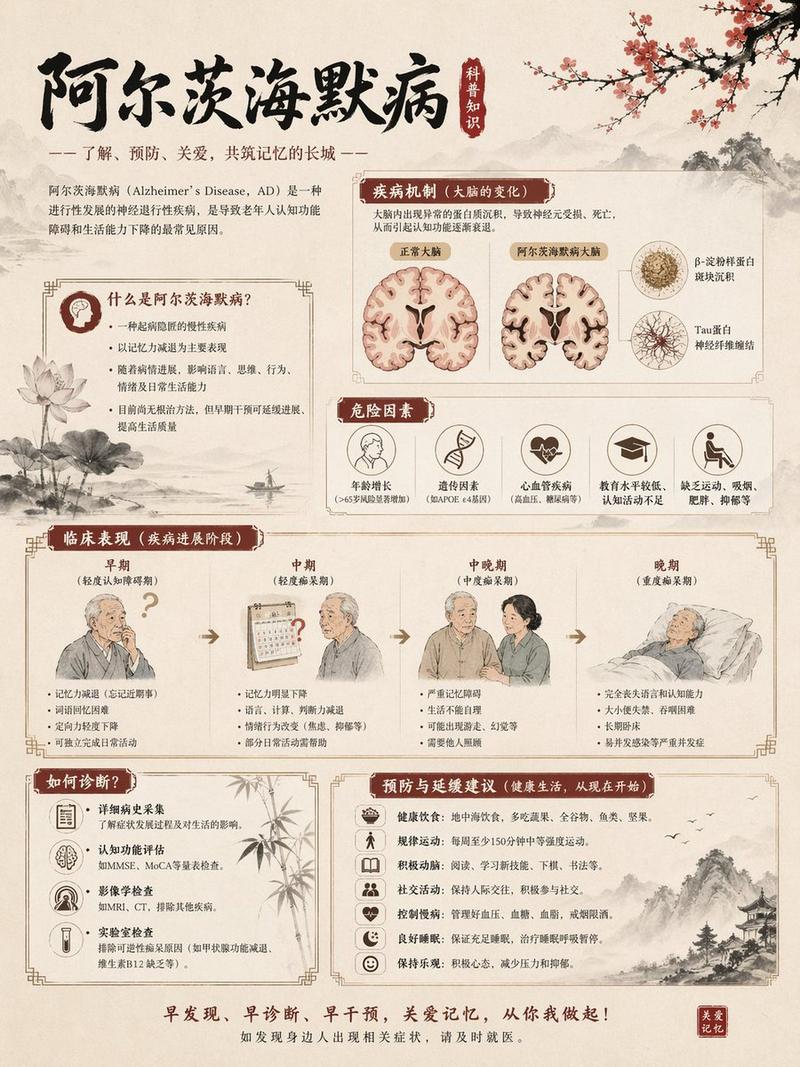
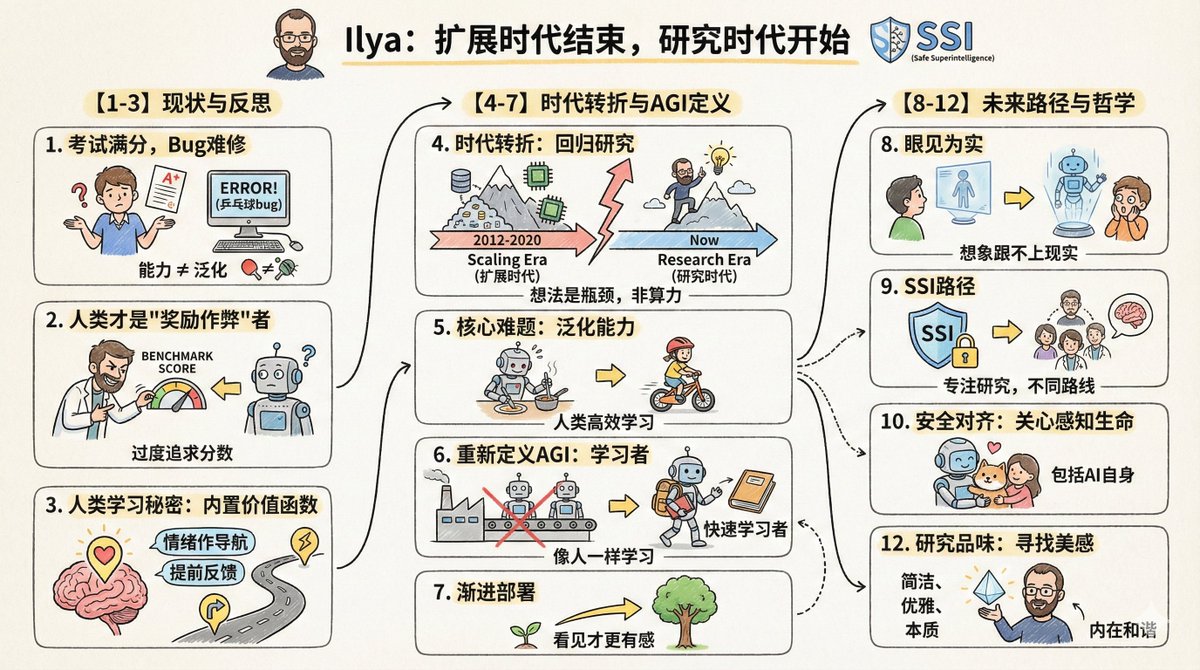
中国历史时间轴信息图
Prompt
{
  "type": "infographic timeline",
  "style": {
    "background": "{argument name=\"background style\" default=\"textured beige rice paper\"}",
    "art_style": "{argument name=\"art style\" default=\"traditional Chinese watercolor and ink wash illustration\"}"
  },
  "header": {
    "title": "{argument name=\"main title\" default=\"中国历史朝代图\"}",
    "subtitle": "{argument name=\"subtitle\" default=\"华夏文明·源远流长\"}",
    "elements": ["red calligraphy title", "red square seal stamp top right", "cloud motifs"]
  },
  "layout": {
    "sections_count": 4,
    "sections": [
      {
        "id": "1",
        "label": "壹 先秦时期",
        "date_range": "(约前2070年—前221年)",
        "description": "华夏起源,诸侯纷争,百家争鸣。",
        "timeline_nodes": 4,
        "dynasties": ["夏", "商", "西周", "东周"],
        "illustrations": ["scholar holding bamboo slips", "bronze ding tripod", "bronze ritual vessel", "horse-drawn chariot", "bamboo slips and brush"]
      },
      {
        "id": "2",
        "label": "贰 秦汉三国",
        "date_range": "(前221年—280年)",
        "description": "大一统时代,开疆拓土,英雄辈出。",
        "timeline_nodes": 3,
        "dynasties": ["秦", "汉", "三国"],
        "illustrations": ["terracotta warrior", "cavalryman on galloping horse", "three generals in traditional armor"]
      },
      {
        "id": "3",
        "label": "叁 两晋南北朝 隋唐五代",
        "date_range": "(280年—960年)",
        "description": "分裂与融合并存,盛世辉煌,文化鼎盛。",
        "timeline_nodes": 5,
        "dynasties": ["两晋", "南北朝", "隋", "唐", "五代十国"],
        "illustrations": ["scholar drinking wine", "seated Buddha statue", "arched stone bridge with boat", "elegant Tang dynasty lady", "cavalryman holding a flag"]
      },
      {
        "id": "4",
        "label": "肆 宋元明清",
        "date_range": "(960年—1912年)",
        "description": "经济繁荣,民族融合,走向近代。",
        "timeline_nodes": 4,
        "dynasties": ["宋", "元", "明", "清"],
        "illustrations": ["bustling riverside townscape", "mounted archer shooting backwards", "palace complex", "Qing dynasty official"]
      }
    ]
  },
  "footer": {
    "quote": "{argument name=\"bottom quote\" default=\"以史为鉴,可以知兴替;以人为镜,可以明得失。\"}",
    "decorations": ["bamboo leaves on bottom left", "Great Wall illustration on bottom right"]
  }
}- Category
- Charts & Infographics
- Model
- GPT Image 2
- Creator
- axiaisacat
- Source ID
- 13494
- Published
- Apr 19, 2026
Views5