17

现代奶茶宣传单设计
Enlarge

现代奶茶宣传单设计

Prompt
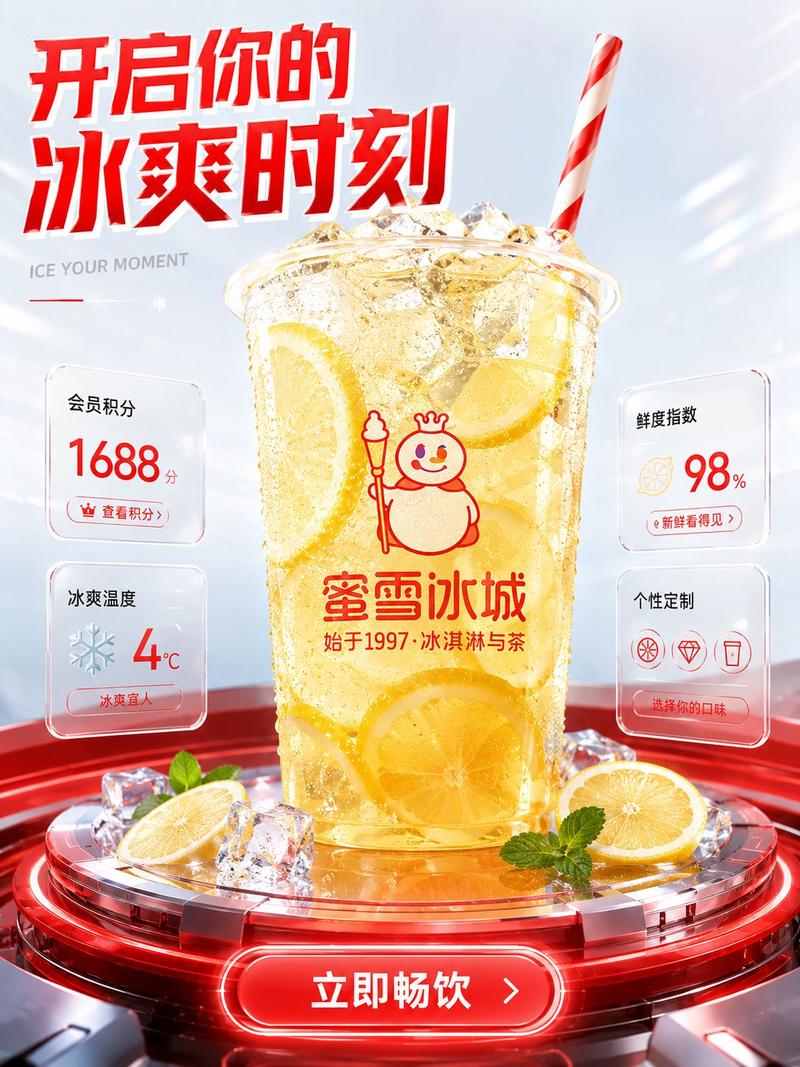
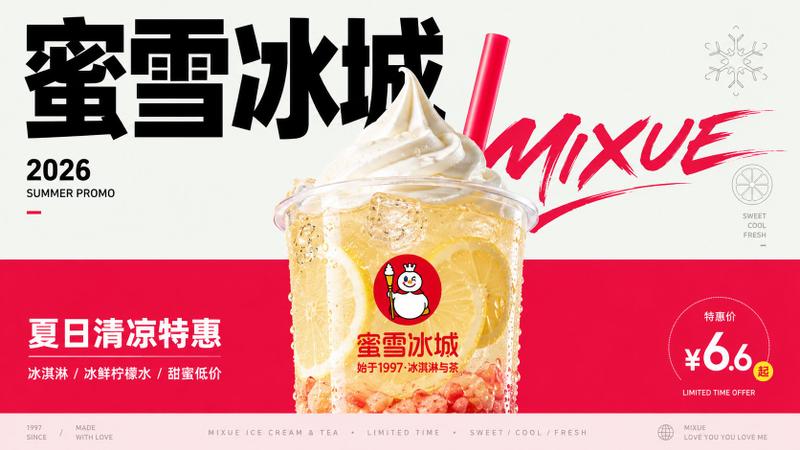
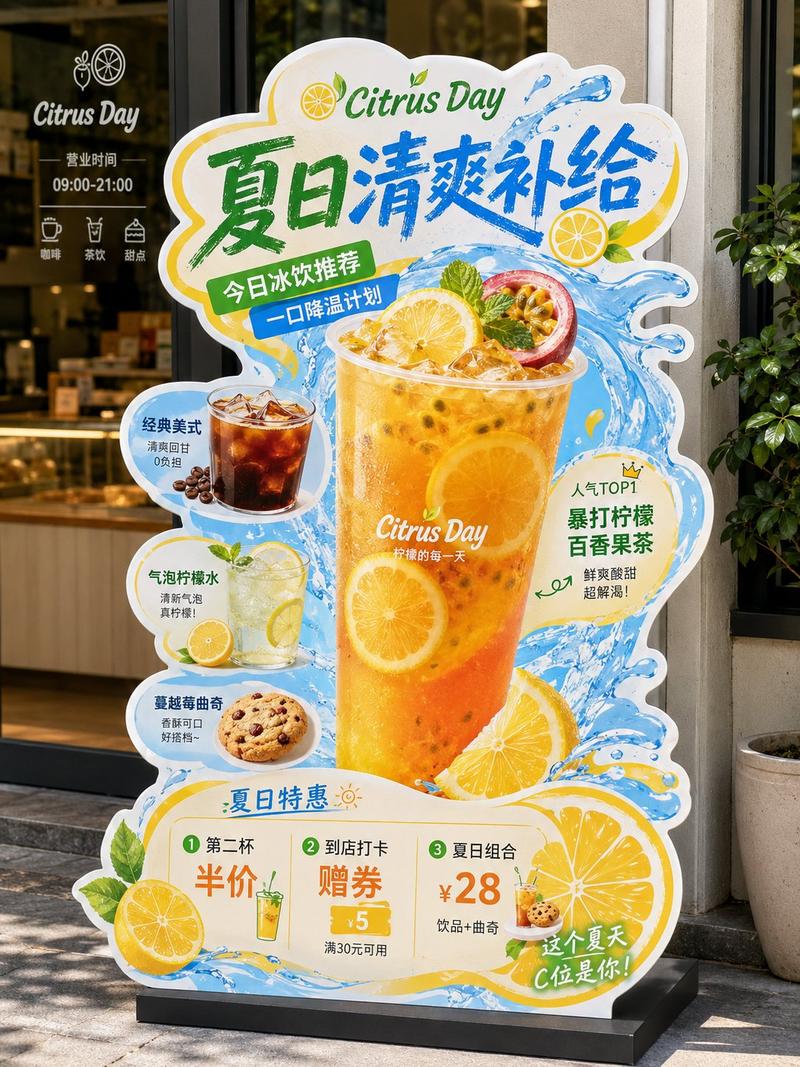
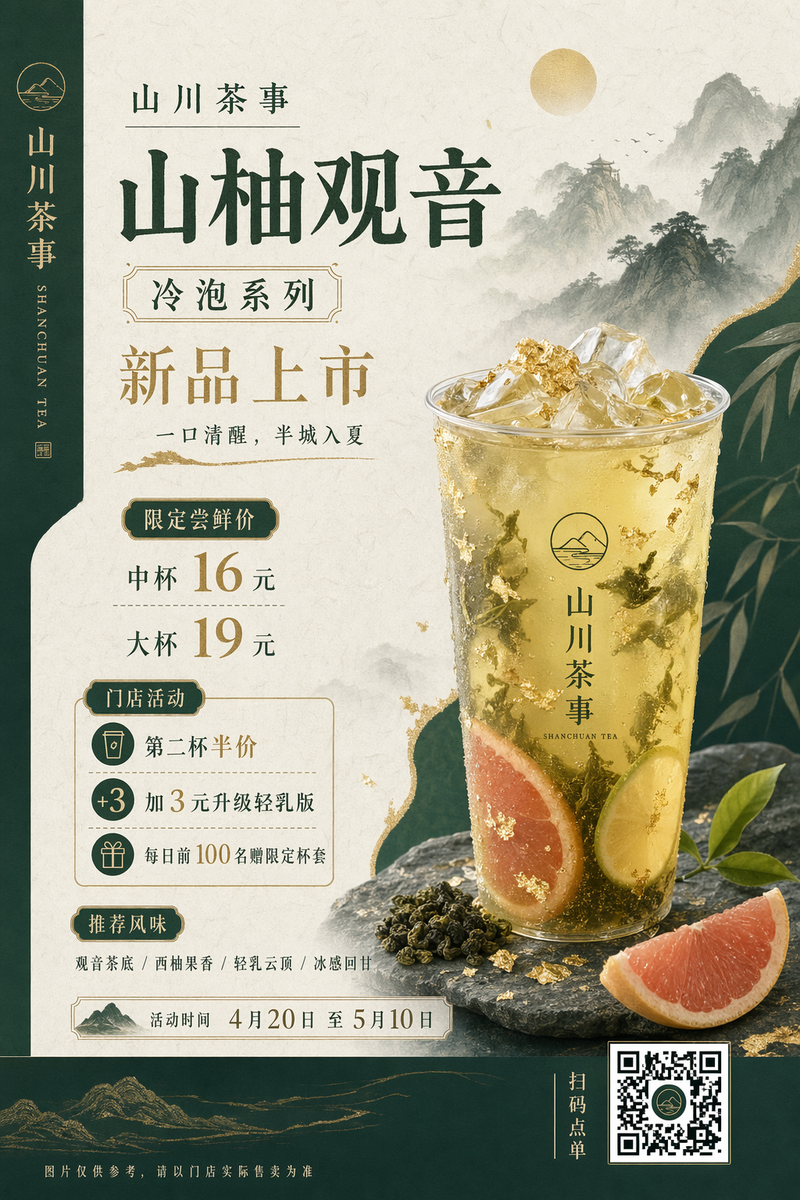
生成一张 {argument name="比例" default="9:16"} 竖版餐饮品牌宣传单页设计图。品牌名称为「{argument name="品牌" default="蜜雪冰城"}」,餐饮品类为「{argument name="品类" default="奶茶 / 茶饮"}」,主打产品为「奶茶」。整体视觉风格为明亮干净、年轻潮流、亲和高性价比、强食欲感的茶饮宣传单页风格。画面色彩以高识别度红色、纯白色、浅奶油色为主。中间区域放置一杯大尺寸主视觉奶茶产品图,奶茶杯要新鲜诱人。下方放置优惠信息区,突出价格感。版面信息层级清晰:品牌名 > 主标题 > 产品大图 > 优惠信息 > 地址二维码。
Category
Posters & Typography
Model
GPT Image 2
Creator
李岳
Views1
Source ID
22375
Published
May 24, 2026

Guide

About "现代奶茶宣传单设计"

What is this prompt for?

"现代奶茶宣传单设计" AI image prompt for GPT Image 2 (Posters & Typography). 一份专为 Mixue 品牌设计的专业 9:16 奶茶宣传单商业设计提示词。 Copy it on Picva and recreate the look in one click.

The full copyable prompt and example visuals above are ready for AI image generation or one-click recreate in Picva.

How to use this prompt

  1. Step 1

    Open the prompt detail

    Review the example visuals, category, and full prompt text for "现代奶茶宣传单设计".

  2. Step 2

    Copy the prompt

    Copy the prompt body from this page, or load it directly in Studio.

  3. Step 3

    Pick a model (GPT Image 2)

    Prefer GPT Image 2. If you switch models, keep subject and composition and tweak style terms.

  4. Step 4

    Generate and export

    Recreate the look in Picva, or export into your workflow for editing and publishing.

FAQ

What is the "现代奶茶宣传单设计" prompt?
It is an AI image-generation prompt for GPT Image 2 in the Posters & Typography category. This page includes the full prompt text, example visuals, and a one-click recreate path in Picva.
How do I use this prompt to generate an image?
Copy the prompt from this page, or use Generate / Studio. Paste it into a compatible image model, or recreate the look in Picva with optional reference images.
Which model is this prompt for?
This page lists GPT Image 2. Most descriptive prompts also transfer to nearby image models such as GPT Image, Flux, or Midjourney with light style tweaks.
Can I use the result commercially?
You can usually copy the prompt for creation, but commercial use of the final image depends on the model terms, reference-image rights, and the generated content. Follow the source author and platform rules.