Y2K 矢量杂志封面
Prompt
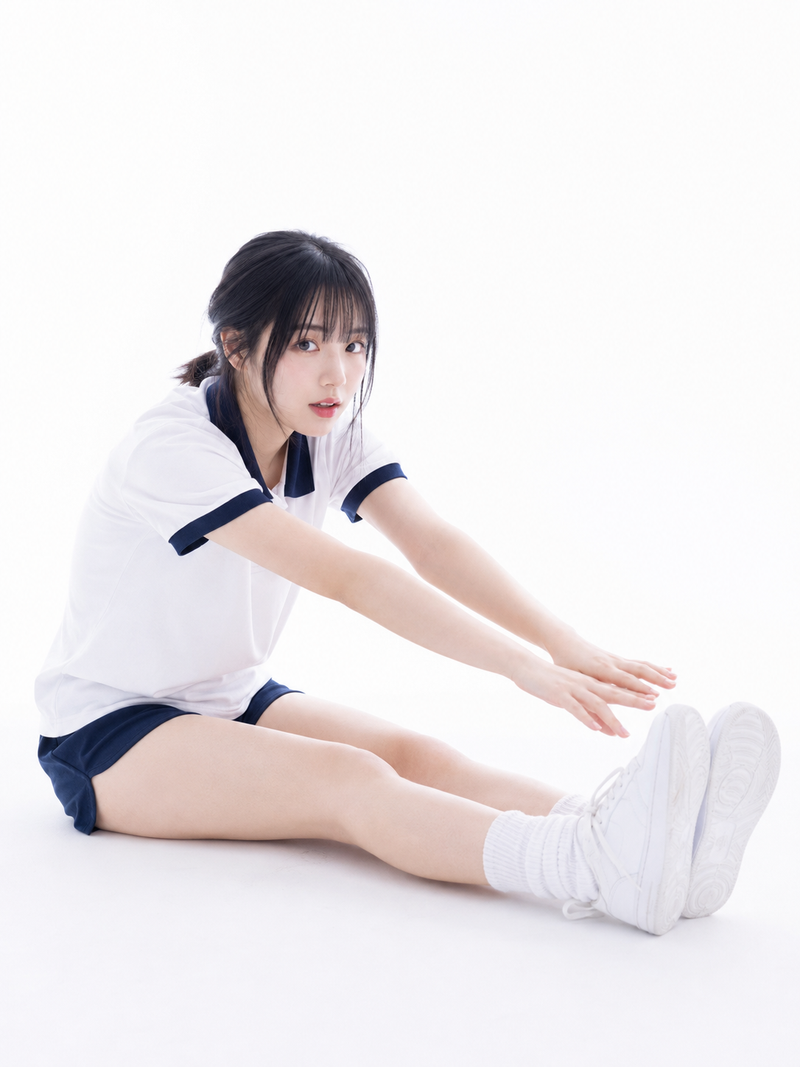
Using REFERENCE_0 as the identity/character base and REFERENCE_1 as the pose and mood reference, create a single Y2K retro magazine-cover poster in flat vector illustration style. Keep the woman recognizable from the source references, but redraw her as a clean anime-inspired vector cover model in the low crouching pose from REFERENCE_1, viewed from slightly above, with a cute surface and a subtly cool melancholic edge.

Transformations: replace the photographic look with crisp flat colors, smooth cel-shaded skin, clean black hair shapes, sharp vector outlines, glossy highlights, and a polished early-2000s fashion-magazine aesthetic. Preserve the overall casual outfit direction from the crouching reference: oversized white T-shirt, dark shorts, striped socks, and sneakers.

Cover layout: vertical poster/magazine cover with a bold electric-blue background, hot pink outer border, lime-green rounded inner frame, and large chrome/pink 3D headline text at the top reading {argument name="headline text" default="Y2K"}. Add exactly 7 main decorative bubble/circle elements: large pale blue bubble at lower left, green bubble at lower left, small pink bubble near lower left border, pink bubble near upper right, small green bubble near upper right, small blue bubble at mid-right, and tiny multicolor bubble near lower center. Add exactly 9 starburst/sparkle elements: large pink starburst on left, small pink sparkle under it, lime starburst at upper right, lime starburst at lower right, pink starburst inside the bottom-left label, small white sparkle near the top headline, white sparkle near center right, yellow sparkle at top left, and small pixel sparkle inside the label.

Magazine graphics: add a rounded lime-green label panel at bottom left with blue italic text reading {argument name="label text" default="CUTE //\nCOLD"}. Add a white barcode box at bottom right. Include abstract pink geometric shapes behind the figure near the bottom. Make the design feel like a glossy Y2K teen magazine cover: neon palette, chrome lettering, bubbles, stickers, sparkles, playful but slightly edgy.

Constraints: no photorealism, no extra people, no watermark, no clutter beyond the specified cover graphics, maintain a clean centered composition with the character overlapping the headline area slightly.- Category
- Charts & Infographics
- Model
- GPT Image 2
- Creator
- ノタ | nota photo
- Source ID
- 22629
- Published
- May 25, 2026
Views5