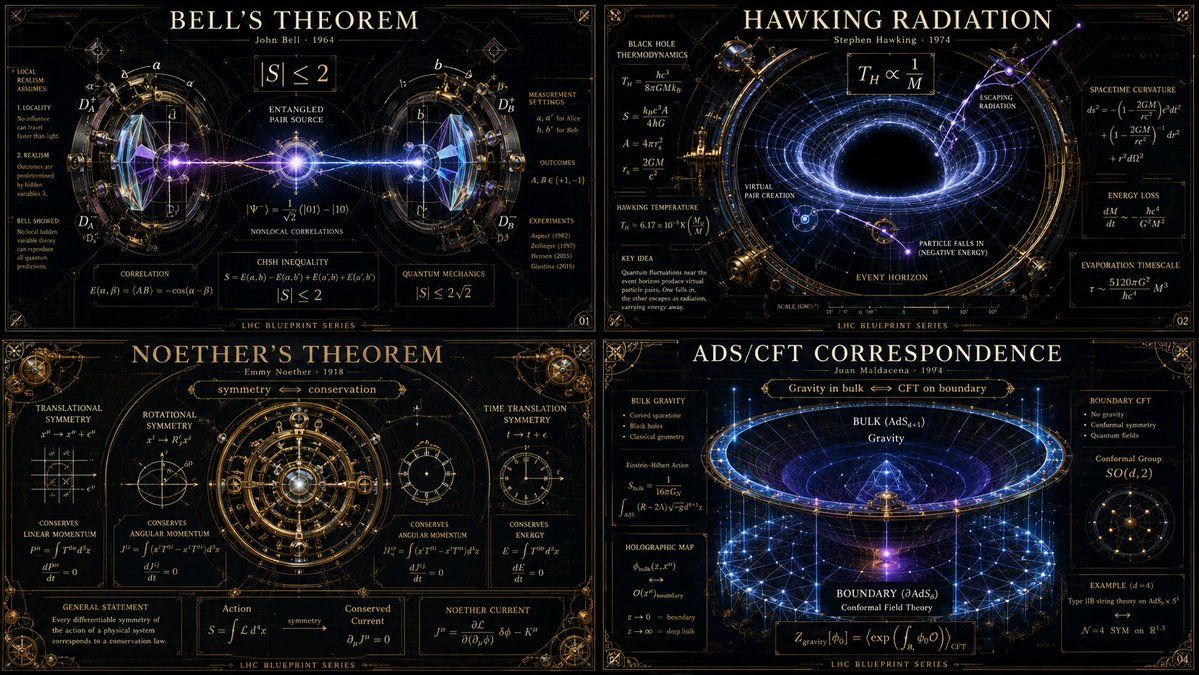
物理信息图代码提示词
提示词
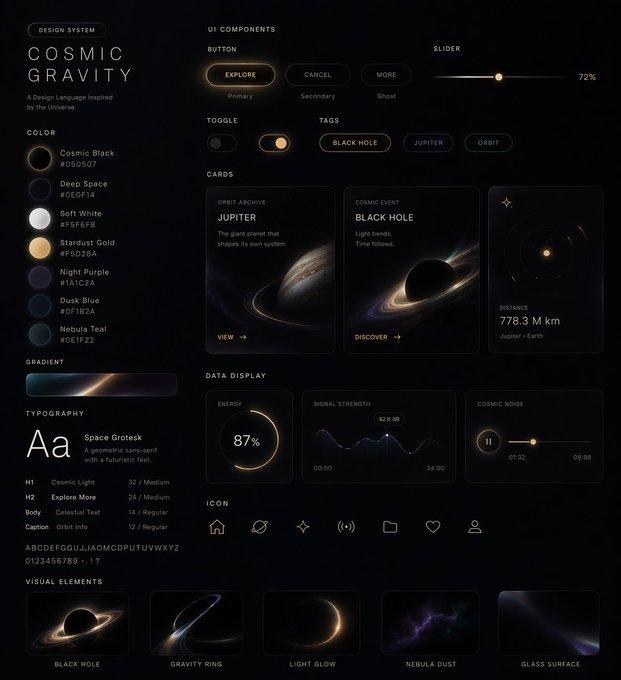
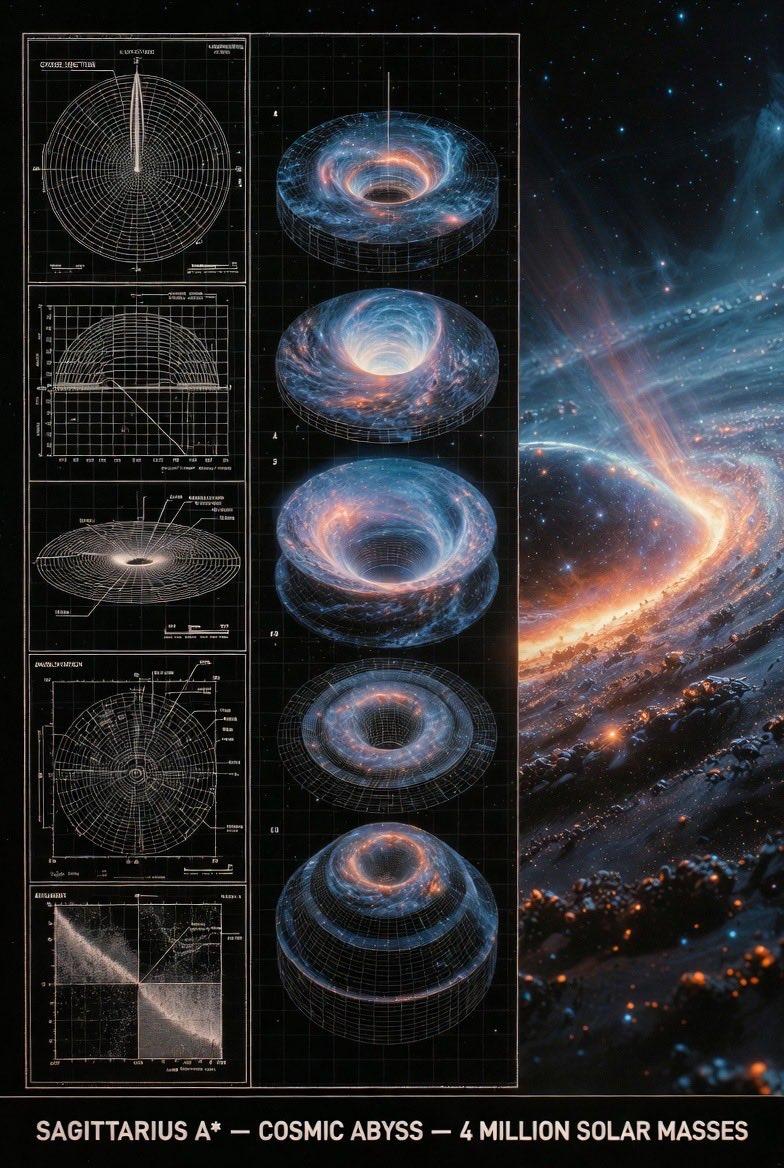
16:9 -> class theoretical_physics_infographic_dna: def __init__(self): self.subject = "[ai selects: 4 distinct advanced physics theorems or paradoxes (e.g., bell's theorem, hawking radiation, string theory)]" self.parents = { "composition_parent": "large hadron collider blueprints — hyper-complex radial symmetry, intersecting particle beam rings, millimeter-precise drafting", "atmosphere_parent": "deep space observatory photography — pitch black voids, glowing ultraviolet radiation, high-contrast laser illumination", "graphic_parent": "chalkboard maximalism — elegant, dense mathematical notation floating as glowing white vectors", "detail_parent": "victorian brass optical instruments — finely milled prisms, glass lenses, and mirrored refraction planes" } self.mutations = { "medium_mutation": "the mathematical formulas solidify into glowing, three-dimensional glass sculptures bending the light around them", "information_mutation": "particle collision tracks are woven like fine gold thread through the dark background", "semantic_mutation": "the invisible physical law is rendered as a massive, tangible, gravitational machine distorting the grid of the poster itself" } def generate_grid(self): instruction = """ generate a 2x2 grid of vertical luxury infographic posters giving physical form to the chosen [subject]s. invent a magnificent scientific machine or optical diorama for each. explode the layers to show quantum states, gravitational warping, equations, and subatomic scale. the design must feel like a classified schematic from a hyper-advanced, aesthetically obsessed civilization. semantic inference must make the invisible laws of physics breathtakingly visible. """ return render( instruction, format="2x2 grid, vertical luxury posters, conceptual scientific infographic", typography=""" large title: [name of theorem/paradox] subtitle: [the physicist / the era] microtext: [the core equation / metric tensor / explanatory blazon] """, composition="strict radial or gravitational-well symmetry. razor-sharp fine lines contrasting with deep voids.", lighting="harsh, clinical laser light interacting with pure optical glass and vantablack.", constraints="no cartoon atoms, no clip-art planets, no messy chalkboards. only pristine, museum-grade scientific aesthetic." )- 分类
- 海报营销
- 模型
- GPT Image 2
- 来源作者
- EvoLinkAI
- 来源 ID
- poster-297
浏览量1