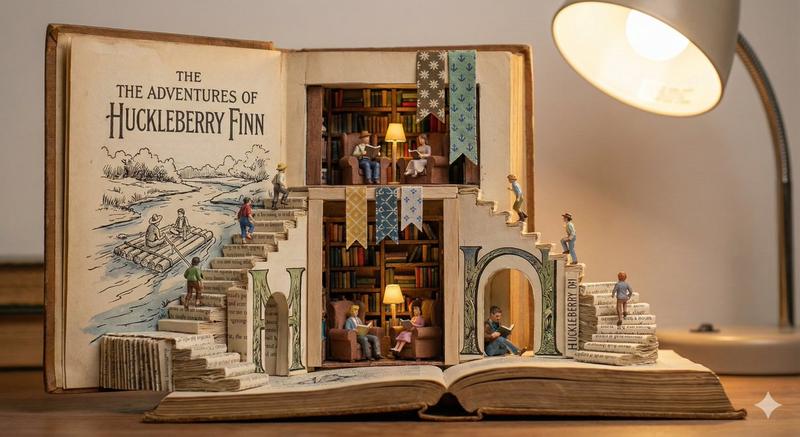
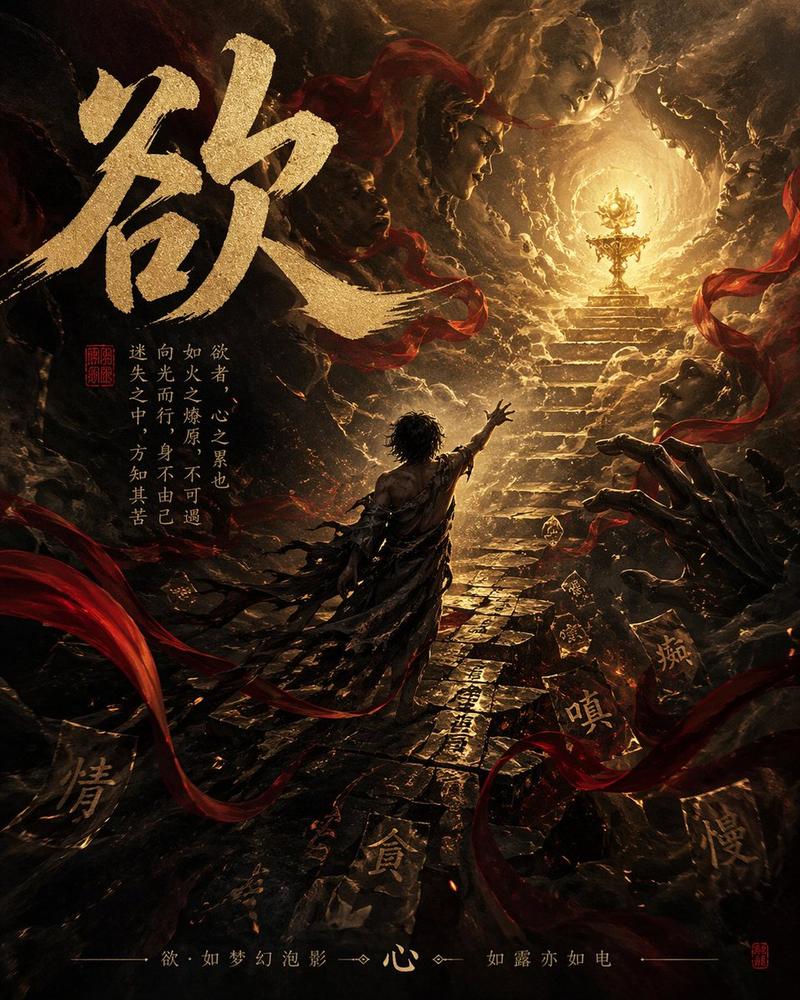
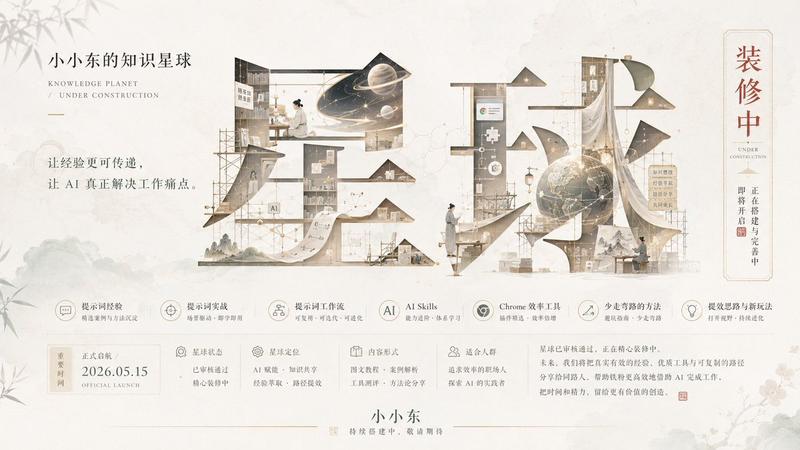
仪式感书籍分享沙龙海报生成提示词
Prompt
Generate an image with a heavy sense of ritual around any subject object: the screen first lets a large area of monochromatic background carry the emotion, the main form is shifted to the left to form a steady sense of physical oppression, with fine tactile textures and weak shadows on the surface; the subject content is abstracted in front of the main form into a set of stepping structures decreasing from bottom to top, the left half uses clear light-colored blocks to present the thickness of the object, and the right half switches to extremely fine line-drawn outlines, like a skeleton of knowledge, path, or time revealed after being cut open from the entity, forming a visual moment where thick matter and light line drafts are juxtaposed. The upper and middle parts retain a large amount of quiet white space, with a few light line small symbols as breathing and scale hints, all decorations are close to the thematic semantics. Text is part of the structure, the main title is arranged vertically along one side, with wide letter spacing and slow rhythm, using high-contrast, slender, inscribed-style Chinese fonts; auxiliary information is in lighter fine characters close to the main form and bottom wireframe, forming a reading path from markers to themes and then to action information. Colors are extracted from the theme's own materials, emotions, or cultural signals, maintaining a role relationship where a large area of pure base color carries emotion, a light-colored main body establishes brightness contrast, and dark fine lines and a small amount of small-area accent colors calibrate the rhythm; the overall should present a warm and solemn, clean and restrained, saturated but not dirty feeling, textures only add tactile sensation and do not create aged gray mist. The key is the precise half-and-half conversion between physical material and translucent line drawing within the same subject structure, making the weight, path, and thickness of time visible at a glance.

——————
Sharing session direction: Travel reading + book list + speaker portrait + route symbols
Publication use: Reading salon preview poster + activity registration page header image
Cool colors: Indigo + Silver Gray + Fog White + low saturation cold
Screen composition: Diagonal book page path + bottom info box + top white space focus, horizontal 16:9
- Category
- Posters & Typography
- Model
- ChatGPT
- Creator
- @xiaoxiaodong01
- Source ID
- 17284
- Published
- Jul 2, 2026
Views0