17

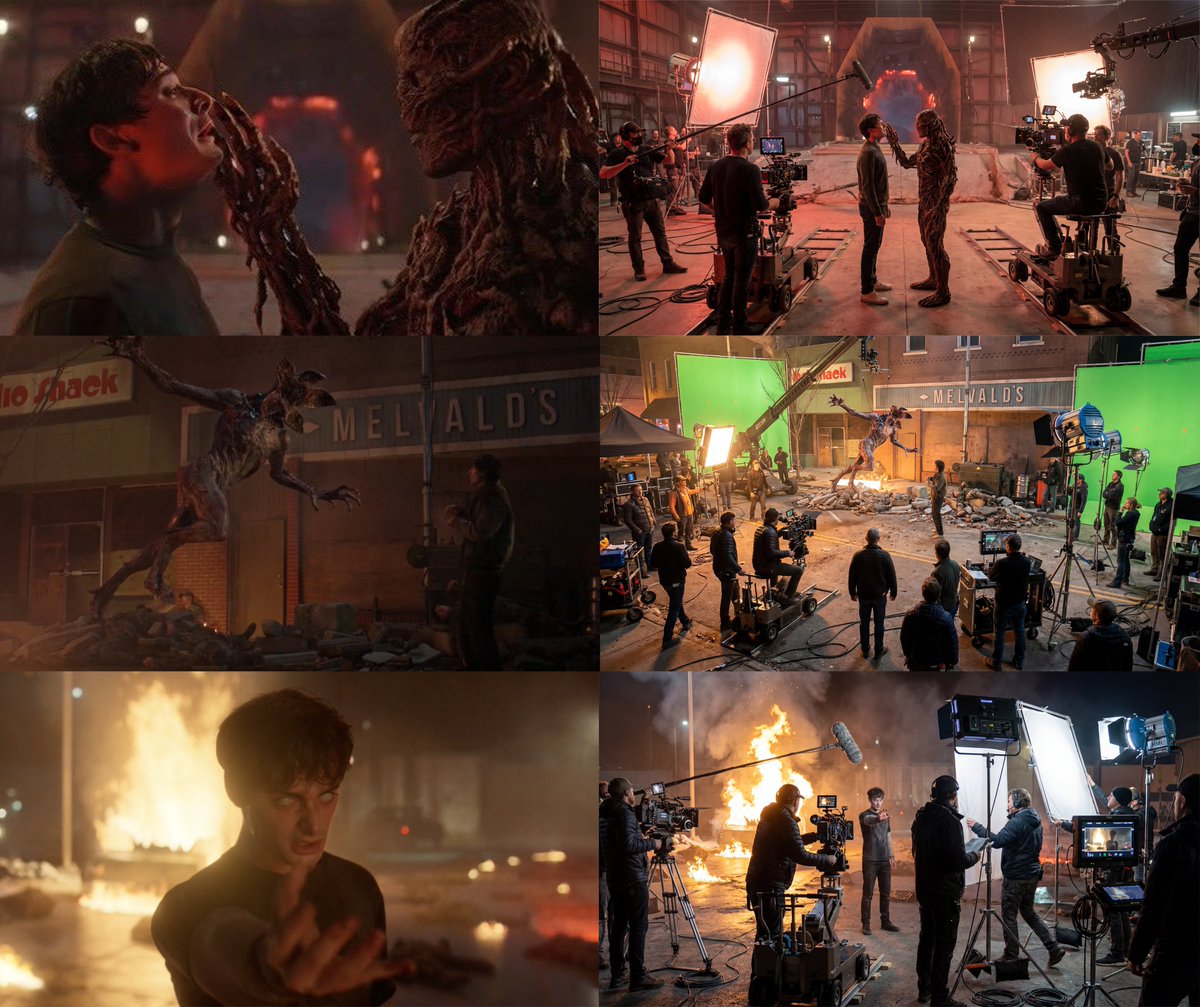
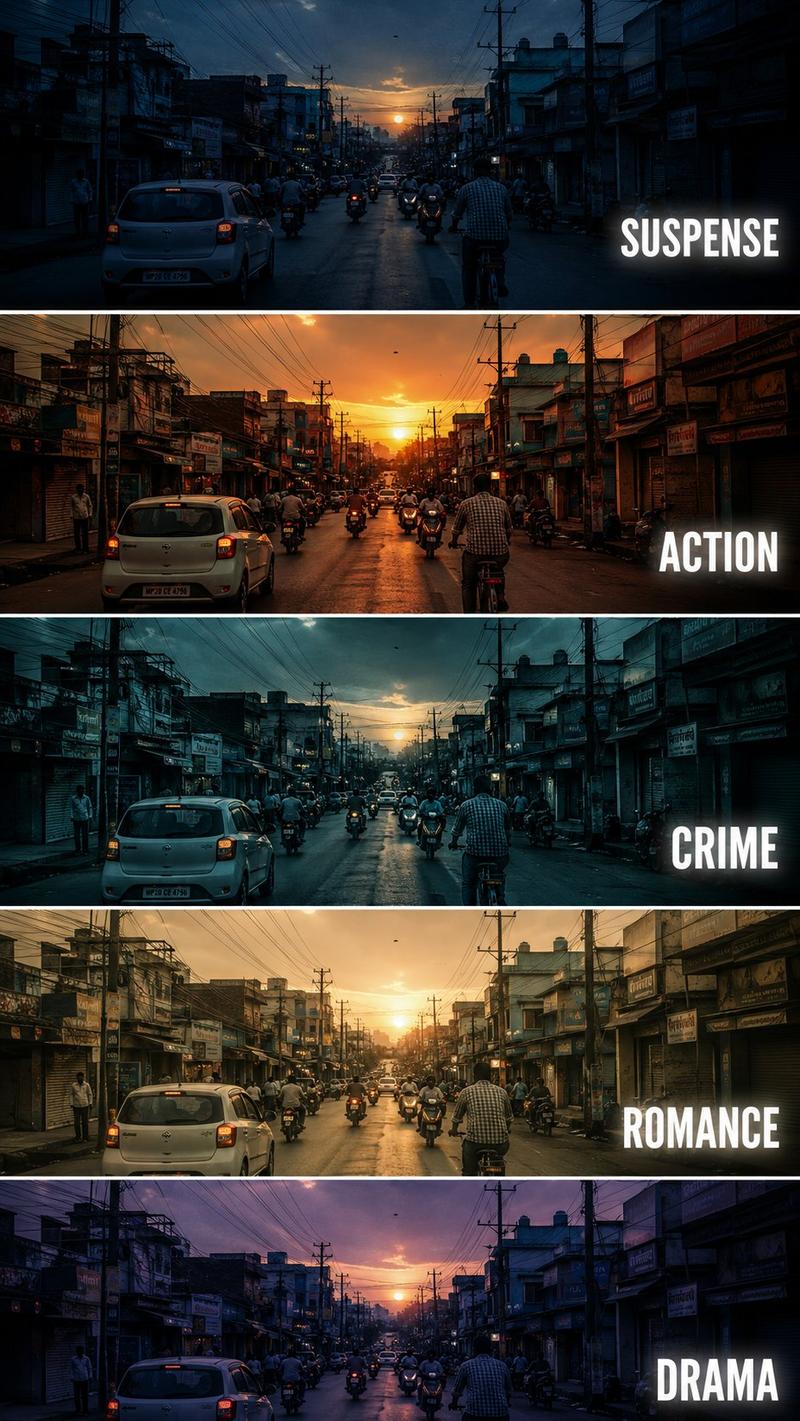
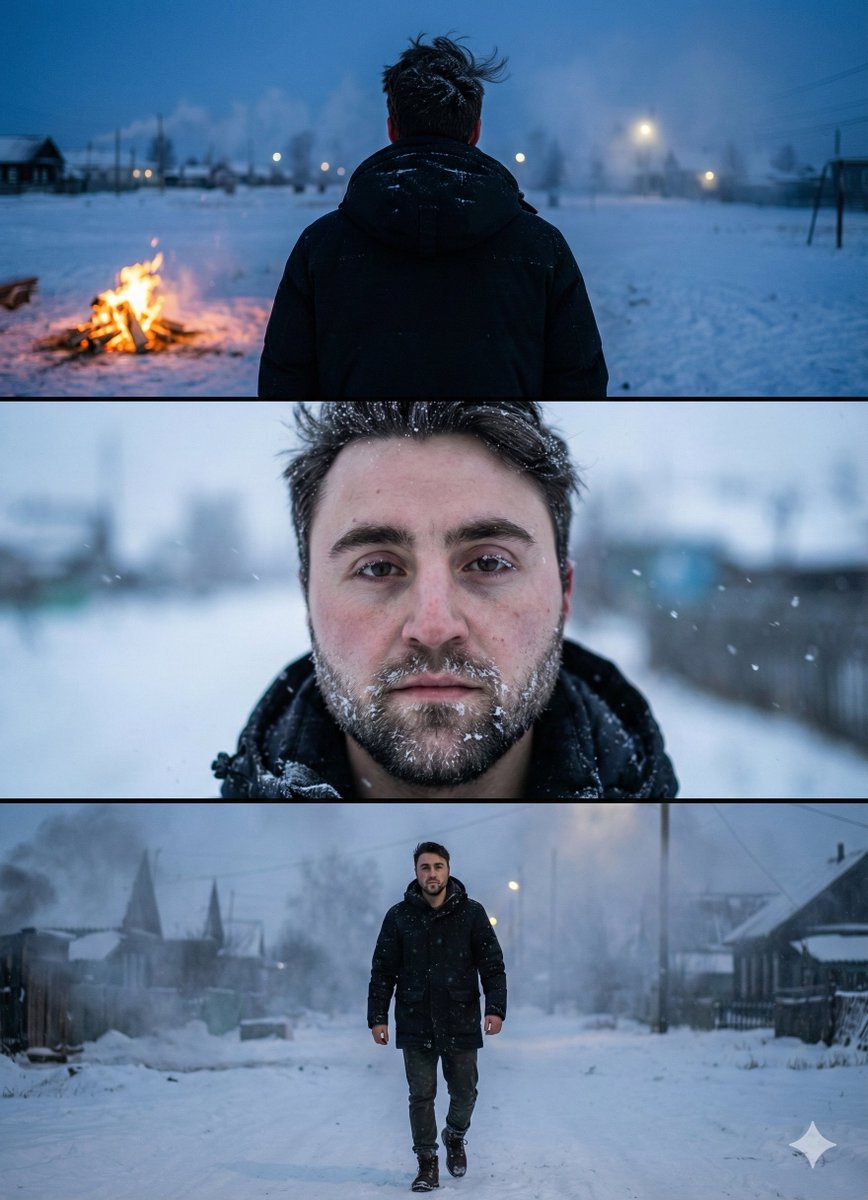
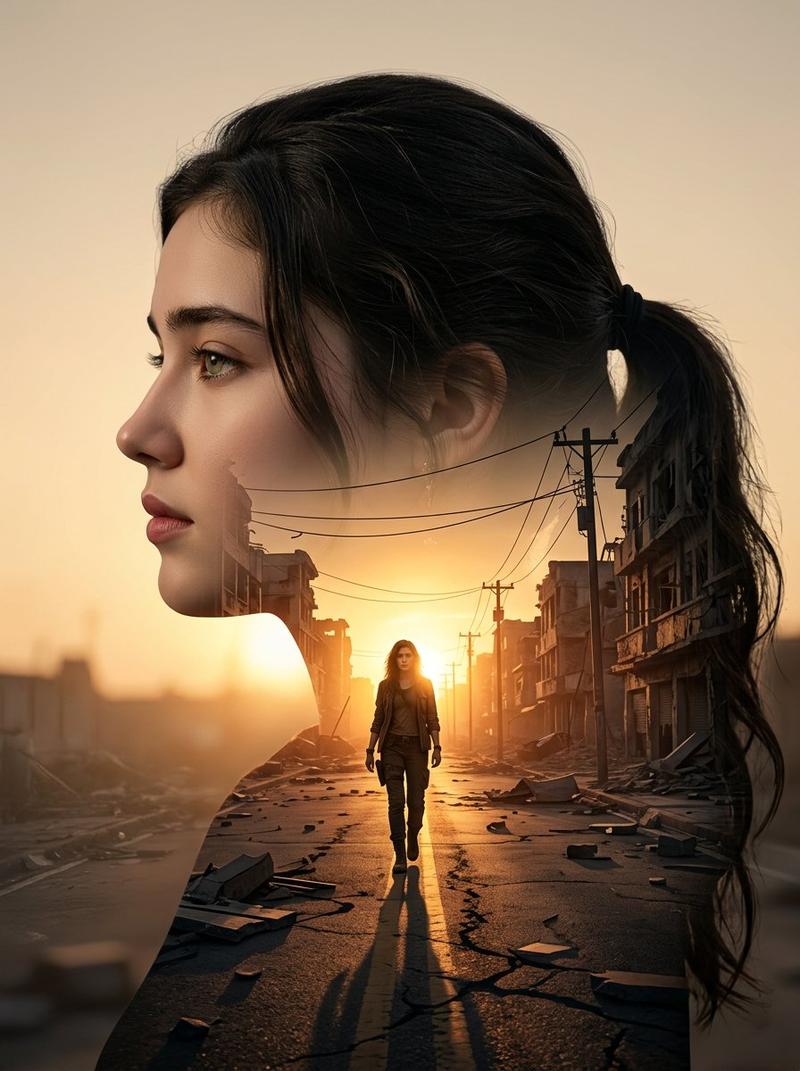
《末日余生》电影式多屏分镜故事
Enlarge

《末日余生》电影式多屏分镜故事

Prompt
create a cinematic sequence using multiple widescreen panels grids to tell the story of the imaginative script from the book "The Stand" by Stephen King. No need to add any text to the image. Keep the tones cinematic and consistent as if it is a movie
Category
Scenes & Storytelling
Model
Unknown
Views3
Source ID
cinematic-sequence-of-the-stand-with-multi-wide-panels-grids

Guide

About "《末日余生》电影式多屏分镜故事"

What is this prompt for?

"《末日余生》电影式多屏分镜故事" AI image prompt for Unknown (Scenes & Storytelling). create a cinematic sequence using multiple widescreen panels grids to tell the story of…

The full copyable prompt and example visuals above are ready for AI image generation or one-click recreate in Picva.

How to use this prompt

  1. Step 1

    Open the prompt detail

    Review the example visuals, category, and full prompt text for "《末日余生》电影式多屏分镜故事".

  2. Step 2

    Copy the prompt

    Copy the prompt body from this page, or load it directly in Studio.

  3. Step 3

    Pick a model (Unknown)

    Prefer Unknown. If you switch models, keep subject and composition and tweak style terms.

  4. Step 4

    Generate and export

    Recreate the look in Picva, or export into your workflow for editing and publishing.

FAQ

What is the "《末日余生》电影式多屏分镜故事" prompt?
It is an AI image-generation prompt for Unknown in the Scenes & Storytelling category. This page includes the full prompt text, example visuals, and a one-click recreate path in Picva.
How do I use this prompt to generate an image?
Copy the prompt from this page, or use Generate / Studio. Paste it into a compatible image model, or recreate the look in Picva with optional reference images.
Which model is this prompt for?
This page lists Unknown. Most descriptive prompts also transfer to nearby image models such as GPT Image, Flux, or Midjourney with light style tweaks.
Can I use the result commercially?
You can usually copy the prompt for creation, but commercial use of the final image depends on the model terms, reference-image rights, and the generated content. Follow the source author and platform rules.