日本女性瑜伽六体式写实网格
Prompt
{
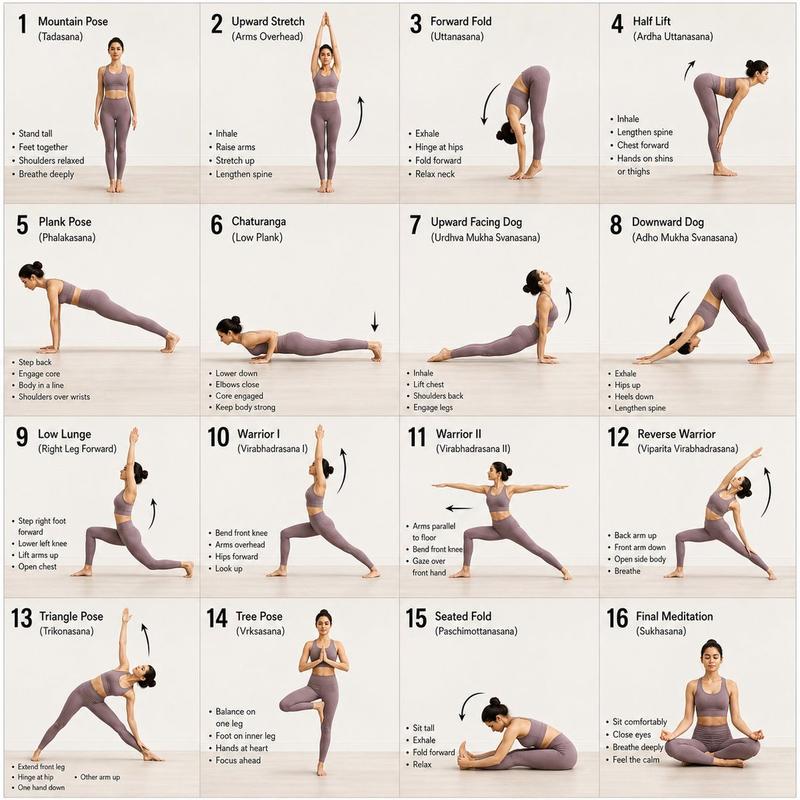
  "objective": "Generate a realistic 3:4 image showing six different yoga poses performed by a single model, arranged in a clean 2x3 grid with labeled pose names and a smooth visual flow.",

  "aspect_ratio": "3:4",

  "composition": {
    "layout": "2 columns x 3 rows grid",
    "spacing": "minimal clean spacing between frames",
    "flow": "poses arranged in a natural progression (warm-up to stretch to balance)",
    "labels": "each pose has a small clean label beneath or beside it"
  },

  "subject": {
    "description": "extremely attractive Japanese woman",
    "physique": "slim, toned, flexible",
    "appearance": [
      "natural beauty",
      "minimal makeup",
      "smooth skin (not over-retouched)",
      "dark straight or slightly tied hair"
    ],
    "outfit": [
      "fitted yoga top",
      "high-waisted yoga leggings"
    ],
    "expression": "calm, focused, serene"
  },

  "poses": [
    "Mountain Pose (Tadasana)",
    "Downward Dog (Adho Mukha Svanasana)",
    "Warrior II (Virabhadrasana II)",
    "Tree Pose (Vrikshasana)",
    "Seated Forward Fold (Paschimottanasana)",
    "Cobra Pose (Bhujangasana)"
  ],

  "environment": {
    "location": "minimal indoor studio or home setting",
    "details": [
      "wooden floor or yoga mat",
      "soft natural light from window",
      "clean uncluttered background"
    ]
  },

  "camera_style": {
    "type": "smartphone photography",
    "quality": "slightly imperfect, natural",
    "imperfections": [
      "subtle grain",
      "minor motion blur",
      "natural lighting inconsistencies"
    ],
    "angles": "consistent eye-level framing for all poses"
  },

  "lighting": {
    "type": "soft natural daylight",
    "style": "diffused window light",
    "mood": "calm, wellness-focused"
  },

  "text_style": {
    "font": "clean modern sans-serif",
    "color": "subtle neutral (white or black depending on background)",
    "placement": "discreet, not overpowering visuals"
  },

  "style": {
    "overall": "realistic wellness photography",
    "mood": "peaceful, elegant, lifestyle",
    "editing": "light color grading, not over-processed"
  },

  "negative_prompt": [
    "overly polished skin",
    "studio glamour lighting",
    "cluttered background",
    "incorrect yoga poses",
    "distorted anatomy",
    "low realism",
    "cartoon style"
  ]
}- Category
- Posters & Typography
- Model
- ChatGPT
- Creator
- @craftian_keskin
- Source ID
- 14950
- Published
- May 24, 2026
Views103