16

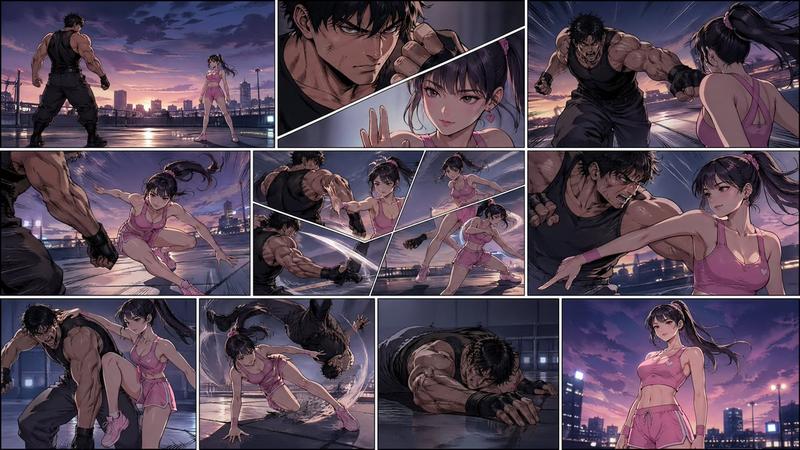
80 年代动画风格记忆网格
Enlarge

80 年代动画风格记忆网格

Prompt
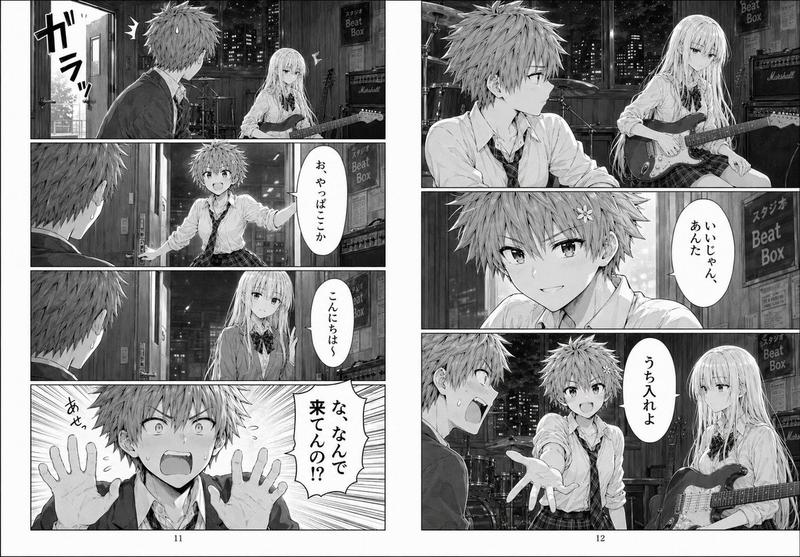
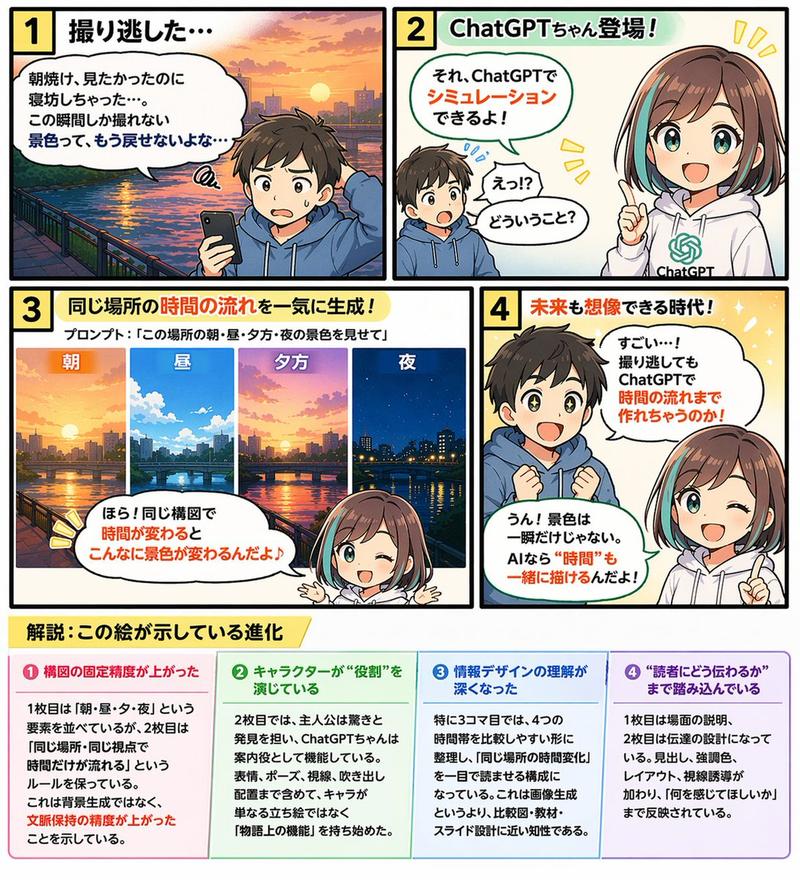
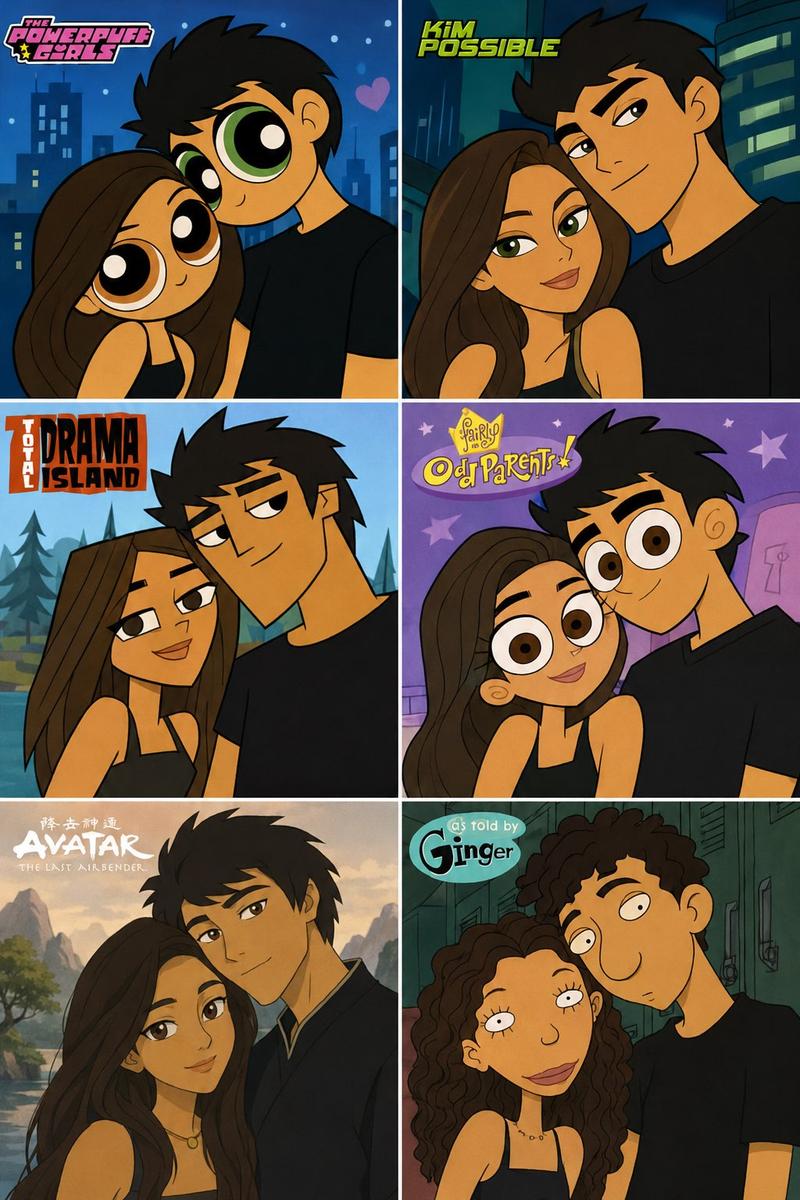
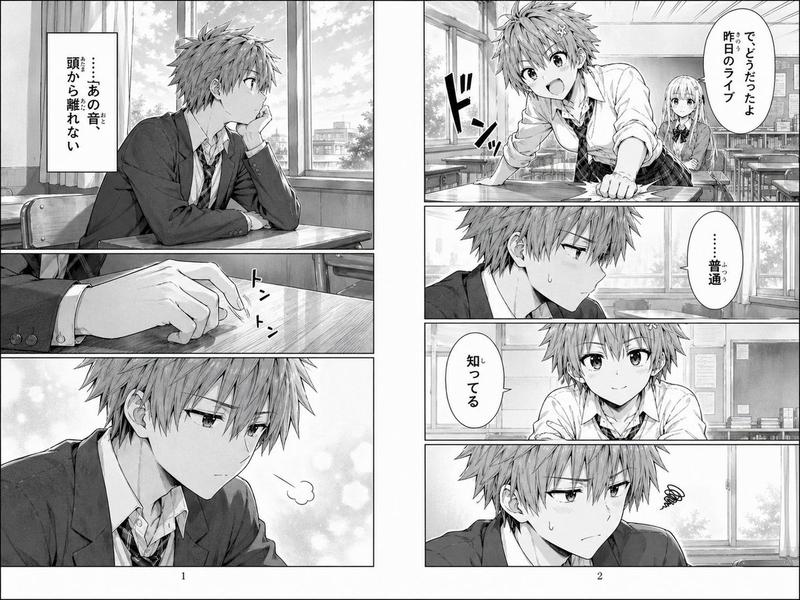
Create a {argument name="layout" default="4x3 borderless grid"} where each panel is an independent image of same characters, maintaining consistent color and lighting, depicting nostalgic old memories with {argument name="style" default="80's anime style"}, with no text and no gap.
Category
Characters & People
Model
GPT Image 2
Creator
Kōda
Views3
Source ID
15506
Published
Apr 24, 2026

Guide

About "80 年代动画风格记忆网格"

What is this prompt for?

"80 年代动画风格记忆网格" AI image prompt for GPT Image 2 (Characters & People). 一个用于创建 4x3 图像网格的提示词,以经典的 80 年代动画艺术风格描绘怀旧记忆,并保持视觉一致性。 Copy it on Picva and recreate the l…

The full copyable prompt and example visuals above are ready for AI image generation or one-click recreate in Picva.

How to use this prompt

  1. Step 1

    Open the prompt detail

    Review the example visuals, category, and full prompt text for "80 年代动画风格记忆网格".

  2. Step 2

    Copy the prompt

    Copy the prompt body from this page, or load it directly in Studio.

  3. Step 3

    Pick a model (GPT Image 2)

    Prefer GPT Image 2. If you switch models, keep subject and composition and tweak style terms.

  4. Step 4

    Generate and export

    Recreate the look in Picva, or export into your workflow for editing and publishing.

FAQ

What is the "80 年代动画风格记忆网格" prompt?
It is an AI image-generation prompt for GPT Image 2 in the Characters & People category. This page includes the full prompt text, example visuals, and a one-click recreate path in Picva.
How do I use this prompt to generate an image?
Copy the prompt from this page, or use Generate / Studio. Paste it into a compatible image model, or recreate the look in Picva with optional reference images.
Which model is this prompt for?
This page lists GPT Image 2. Most descriptive prompts also transfer to nearby image models such as GPT Image, Flux, or Midjourney with light style tweaks.
Can I use the result commercially?
You can usually copy the prompt for creation, but commercial use of the final image depends on the model terms, reference-image rights, and the generated content. Follow the source author and platform rules.