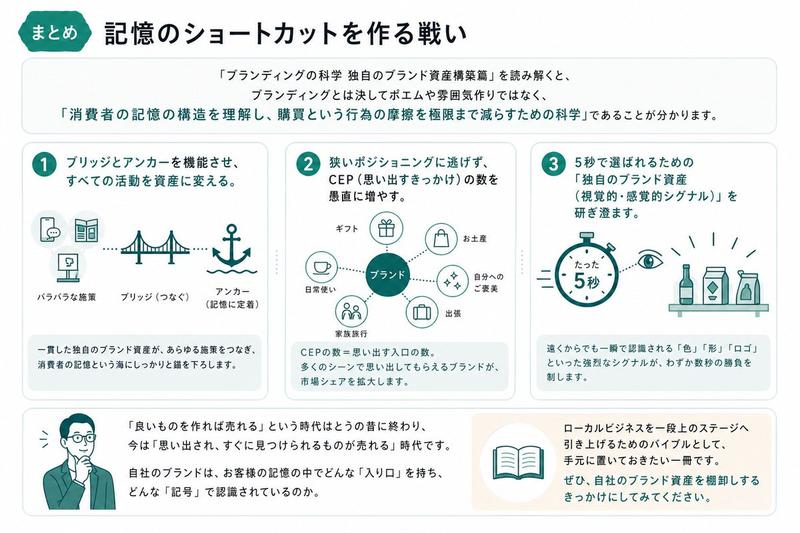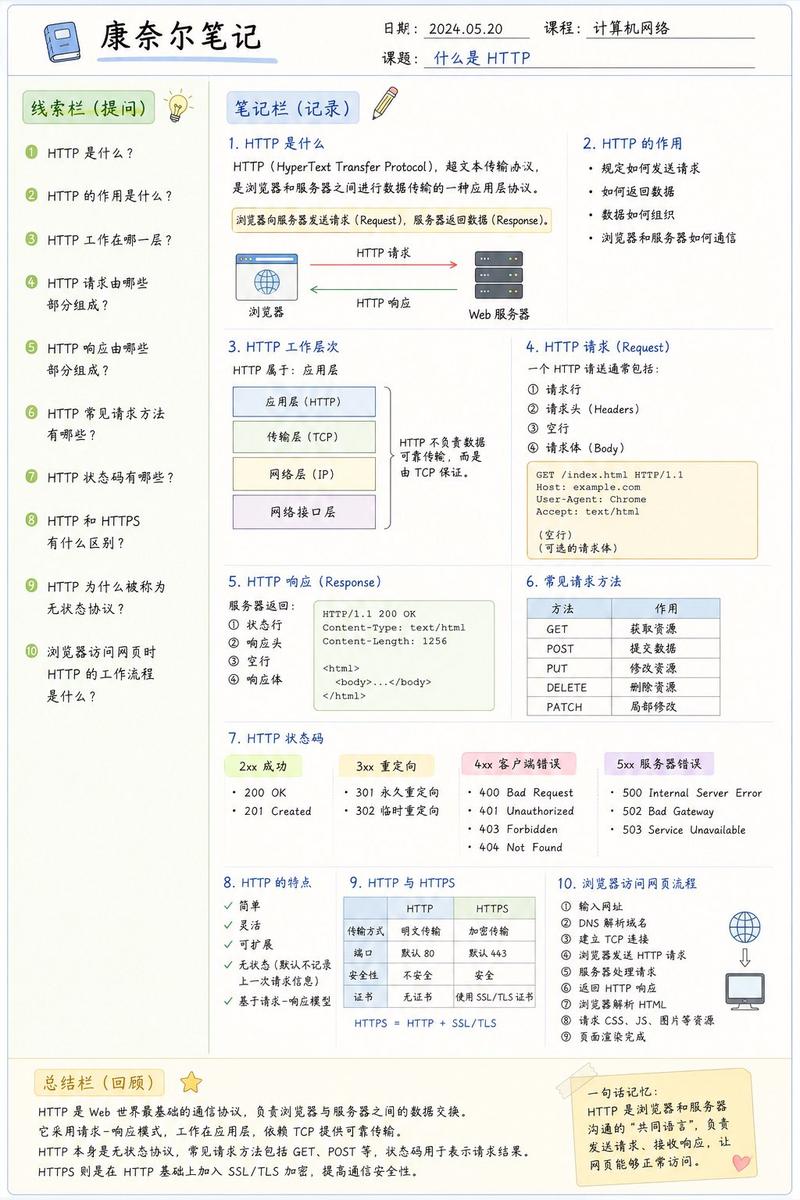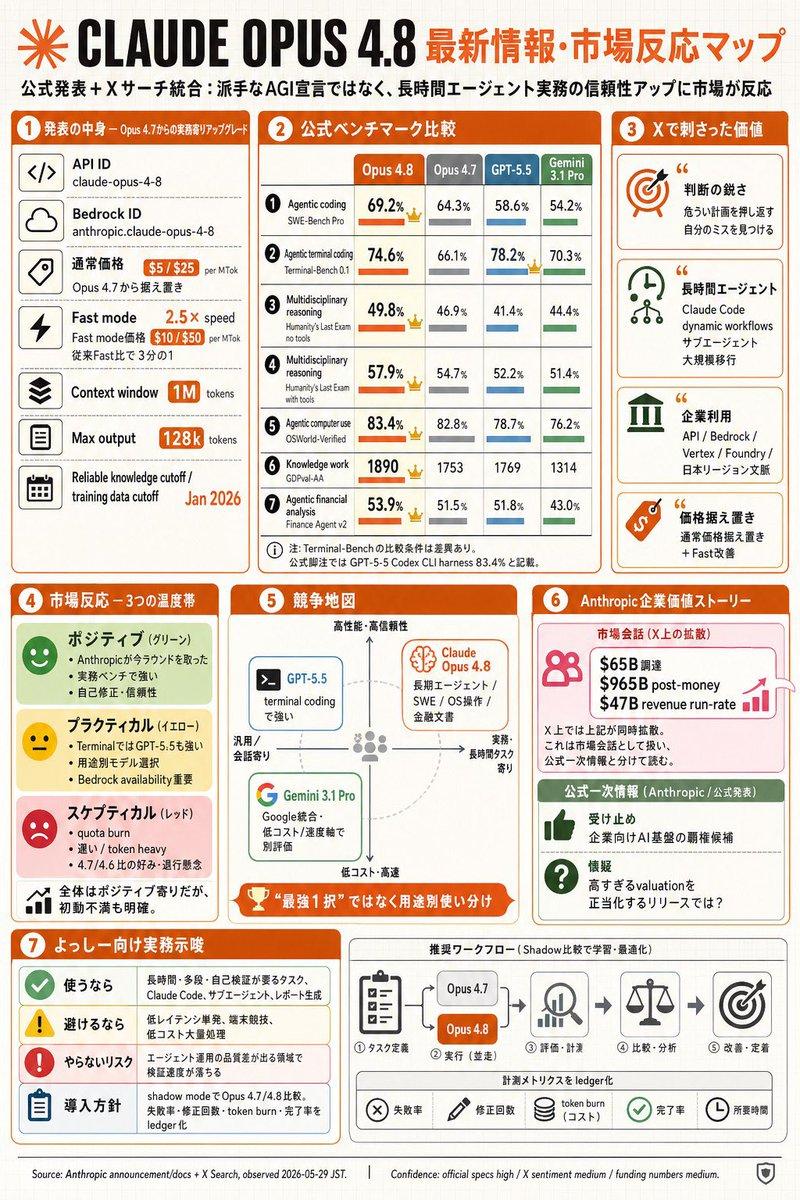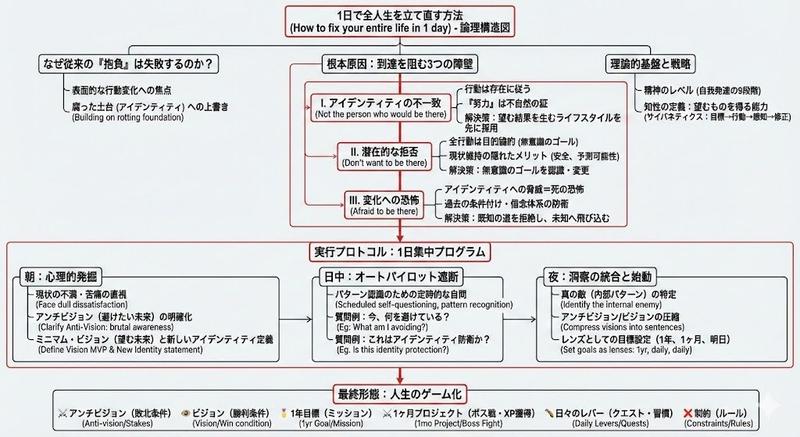
日本 AI 员工信息图
Prompt
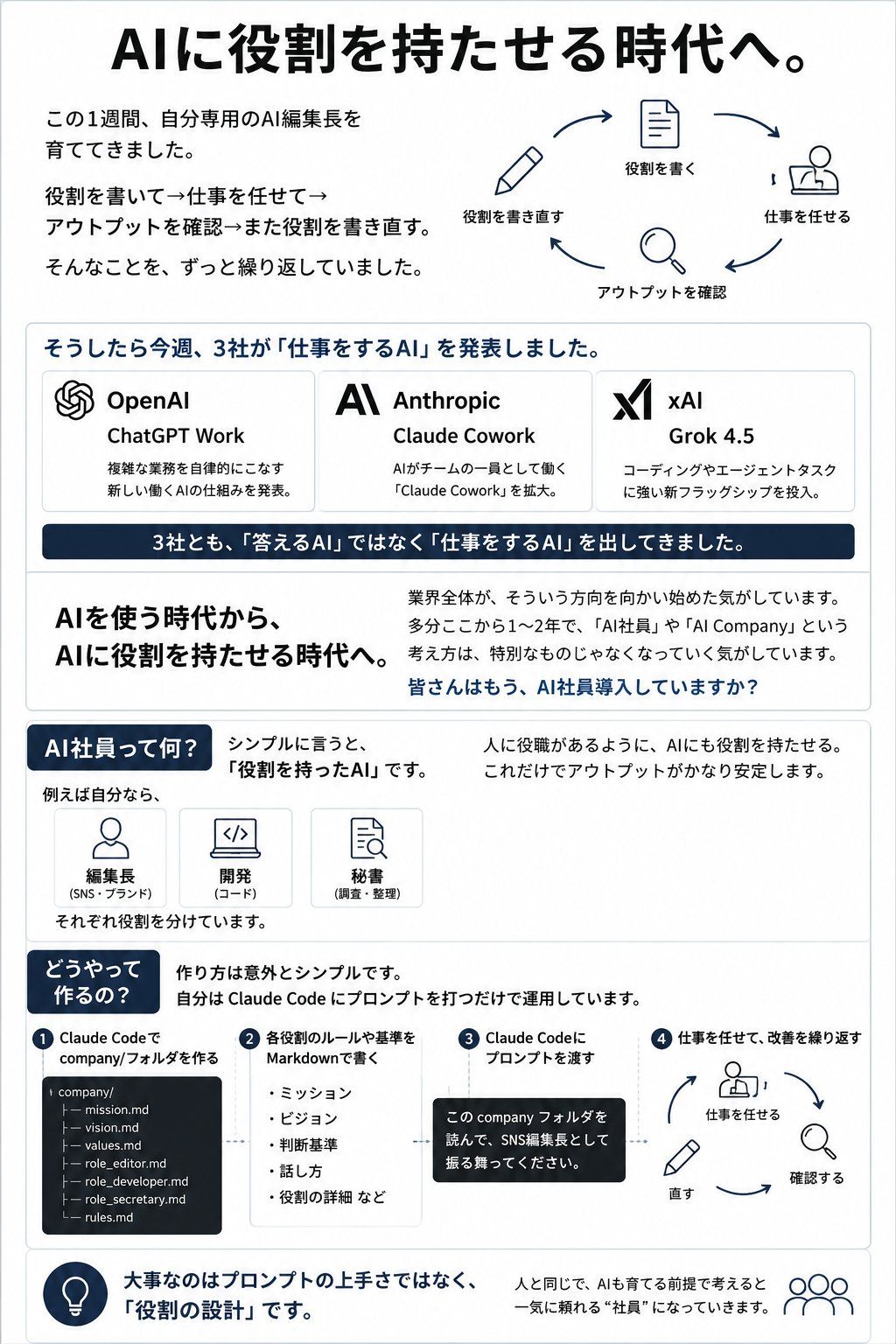
Goal: Create a clean Japanese business infographic slide explaining the shift to assigning roles to AI, centered on the concept of an “AI employee.” Use {argument name="main headline" default="AIに役割を持たせる時代へ。"} as the large top headline.

Canvas: Vertical portrait infographic, approximately 3:4 aspect ratio, white background, thin light-gray border, navy blue accent color, black body text, rounded rectangular content blocks, minimalist line icons. The design should look like a polished LinkedIn/X business slide or proposal handout.

Layout: Use 6 stacked sections from top to bottom.

Section 1 — Header and cycle diagram: At the top, place the large bold headline. On the left, include three short Japanese explanatory lines about spending one week developing a personal AI editor-in-chief, repeatedly writing roles, assigning work, checking output, and rewriting roles. On the right, show a circular 4-step workflow with navy arrows and simple icons. Count exactly 4 workflow steps: 1) pencil icon labeled 「役割を書き直す」, 2) document icon labeled 「役割を書く」, 3) person-at-desk icon labeled 「仕事を任せる」, 4) magnifying glass icon labeled 「アウトプットを確認」.

Section 2 — Three company announcement cards: A rounded box with the heading {argument name="announcement heading" default="そうしたら今週、3社が「仕事をするAI」を発表しました。"}. Inside it, create exactly 3 horizontal company cards. Card 1: OpenAI logo-like knot icon, title 「OpenAI」, product 「ChatGPT Work」, short Japanese description about announcing a new AI work structure that autonomously handles complex tasks. Card 2: Anthropic stylized AI logo, title 「Anthropic」, product 「Claude Cowork」, short Japanese description about expanding Claude Cowork, where AI works as a member of the team. Card 3: xAI logo, title 「xAI」, product {argument name="xAI product name" default="Grok 4.5"}, short Japanese description about launching a new flagship strong in coding and agent tasks. Below the cards, place a dark navy banner with white text: 「3社とも、「答えるAI」ではなく「仕事をするAI」を出してきました。」.

Section 3 — Key message block: Split into two columns. Left column has large bold text: 「AIを使う時代から、AIに役割を持たせる時代へ。」 Right column has a paragraph explaining that the whole industry is moving in this direction, and that ChatGPT Work, AI employees, and AI Company are no longer unusual concepts. End with a bold navy question: {argument name="closing question" default="皆さんはもう、AI社員導入していますか?"}.

Section 4 — Definition of AI employee: Start with a navy pill heading: 「AI社員って何?」. Explain in Japanese that, simply put, it is an AI with a role. Include exactly 3 small role cards under 「例えば自分なら、」: 1) person icon labeled 「編集長(SNS・ブランド)」, 2) laptop/code icon labeled 「開発(コード)」, 3) document/search icon labeled 「秘書(調査・整理)」. Add a note that each is given a separate role. On the right, write that by giving AI roles like people have job roles, output becomes more stable.

Section 5 — How to make it: Add a navy pill heading 「どうやって作るの?」 and explain that the method is surprisingly simple: create a Claude Code company prompt and operate it. Show exactly 4 numbered steps in a horizontal process. Step 1: 「Claude Codeで company/フォルダを作る」 with a dark terminal-style file tree showing exactly 7 files: company/, mission.md, vision.md, values.md, role_editor.md, role_developer.md, role_secretary.md, rules.md. Step 2: 「各役割のルールや基準を Markdownで書く」 with bullets: 「ミッション」, 「ビジョン」, 「判断基準」, 「話し方」, 「役割の詳細など」. Step 3: 「Claude Codeにプロンプトを渡す」 with a black speech bubble containing Japanese text asking it to read the company folder and act as the SNS editor-in-chief. Step 4: 「仕事を任せて、改善を繰り返す」 with a mini circular loop showing person-at-desk, magnifying glass, and pencil icons labeled work, check, fix.

Section 6 — Bottom takeaway: A rounded footer strip with a navy lightbulb icon on the left and bold Japanese takeaway text: {argument name="footer takeaway" default="大事なのはプロンプトの上手さではなく、「役割の設計」です。"}. On the right, add a small people/team icon and a sentence explaining that if you assume AI is something to train like a human, it becomes an employee you can rely on.

Visual style: Japanese corporate infographic, crisp typography, generous spacing, subtle gray dividers, navy highlights, flat monochrome line icons, no photos, no gradients, no clutter. Keep all Japanese text legible and aligned. Do not add extra companies, extra steps, extra cards, or decorative elements beyond the specified counts.- Category
- Charts & Infographics
- Model
- GPT Image 2
- Creator
- 坂本健太|IdeaReal 🪼
- Source ID
- 28281
- Published
- Jul 10, 2026
Views2