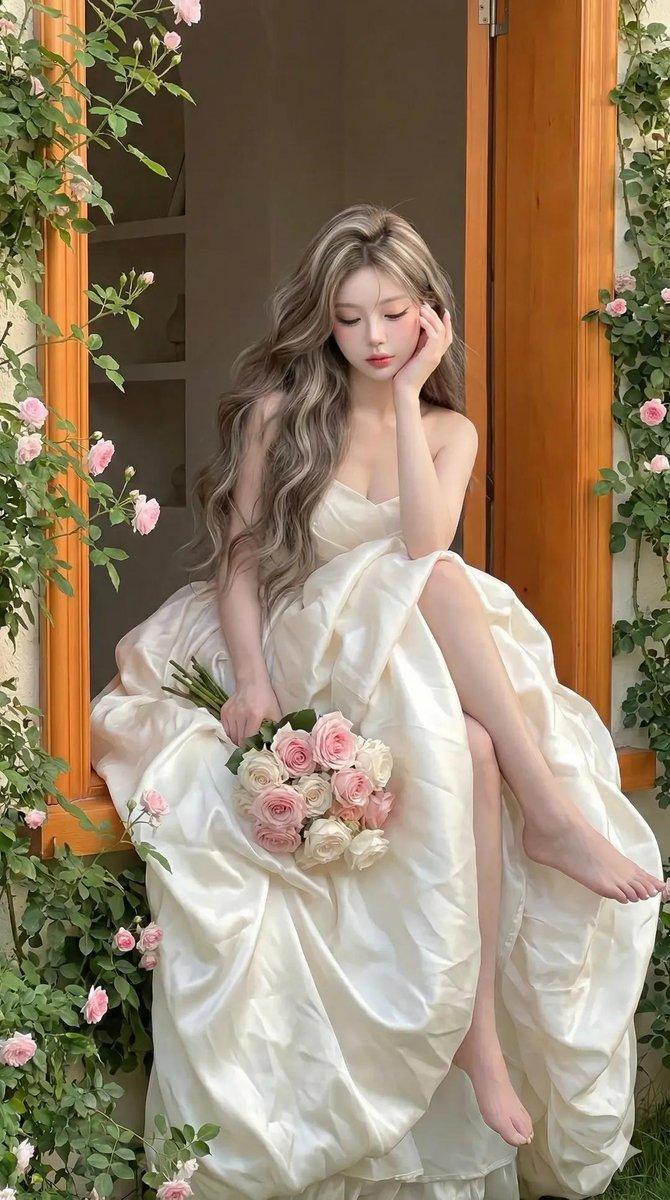
基于身份的玫瑰园肖像
Prompt
Use my uploaded portrait only as the identity reference for the person’s facial features, face shape, hairstyle, hair color, skin tone, and overall real-person appearance. Do not copy the face or identity from the reference image.

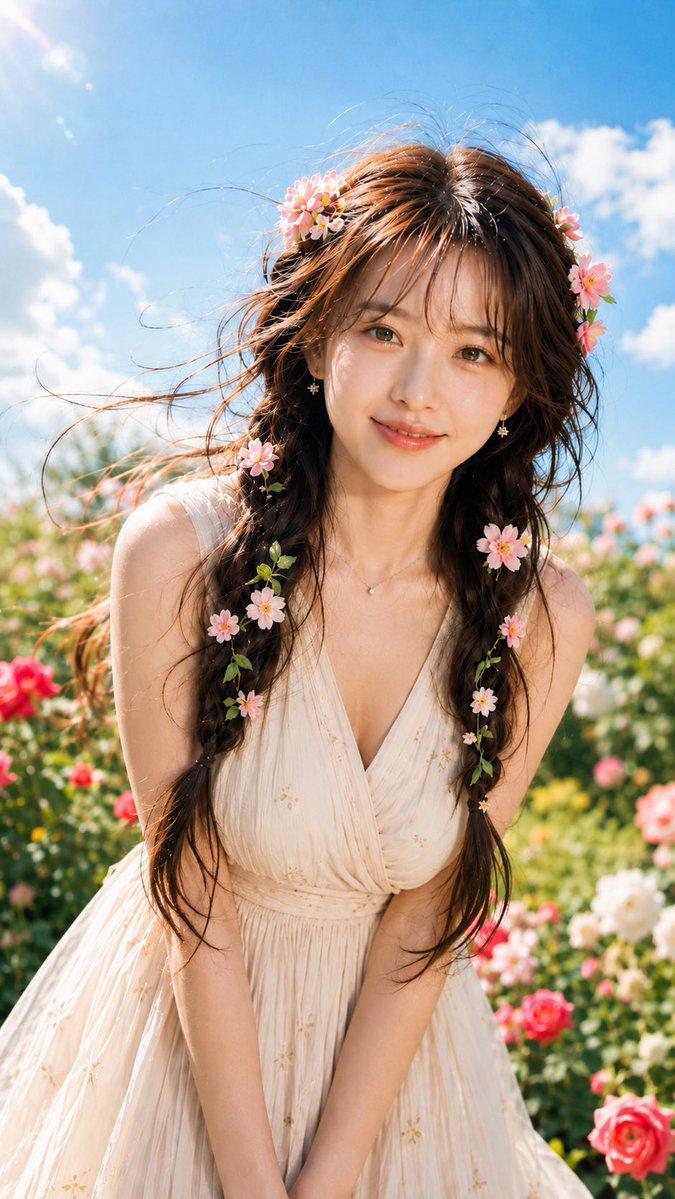
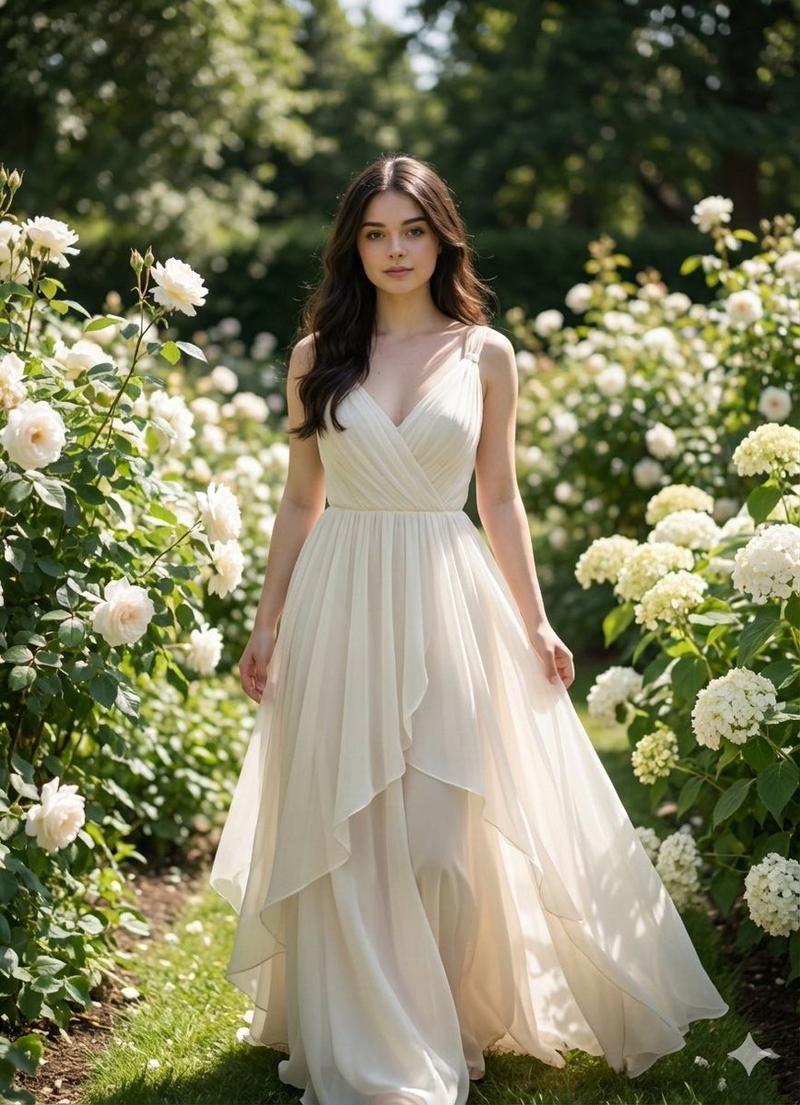
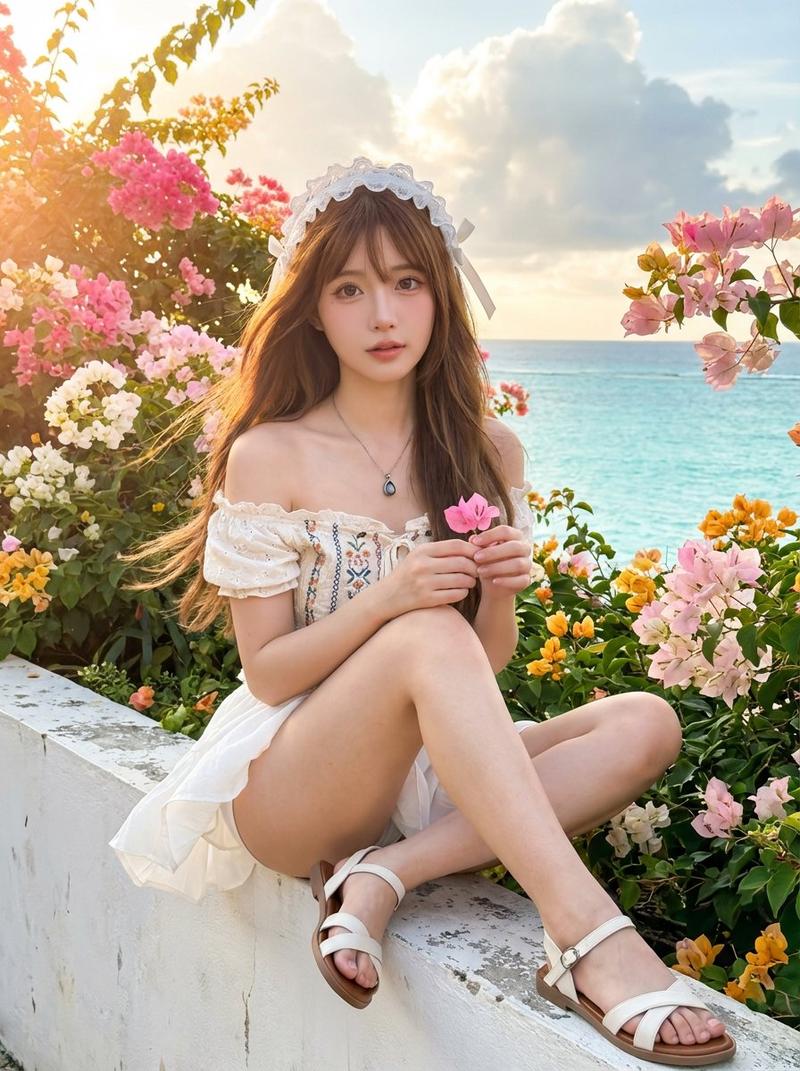
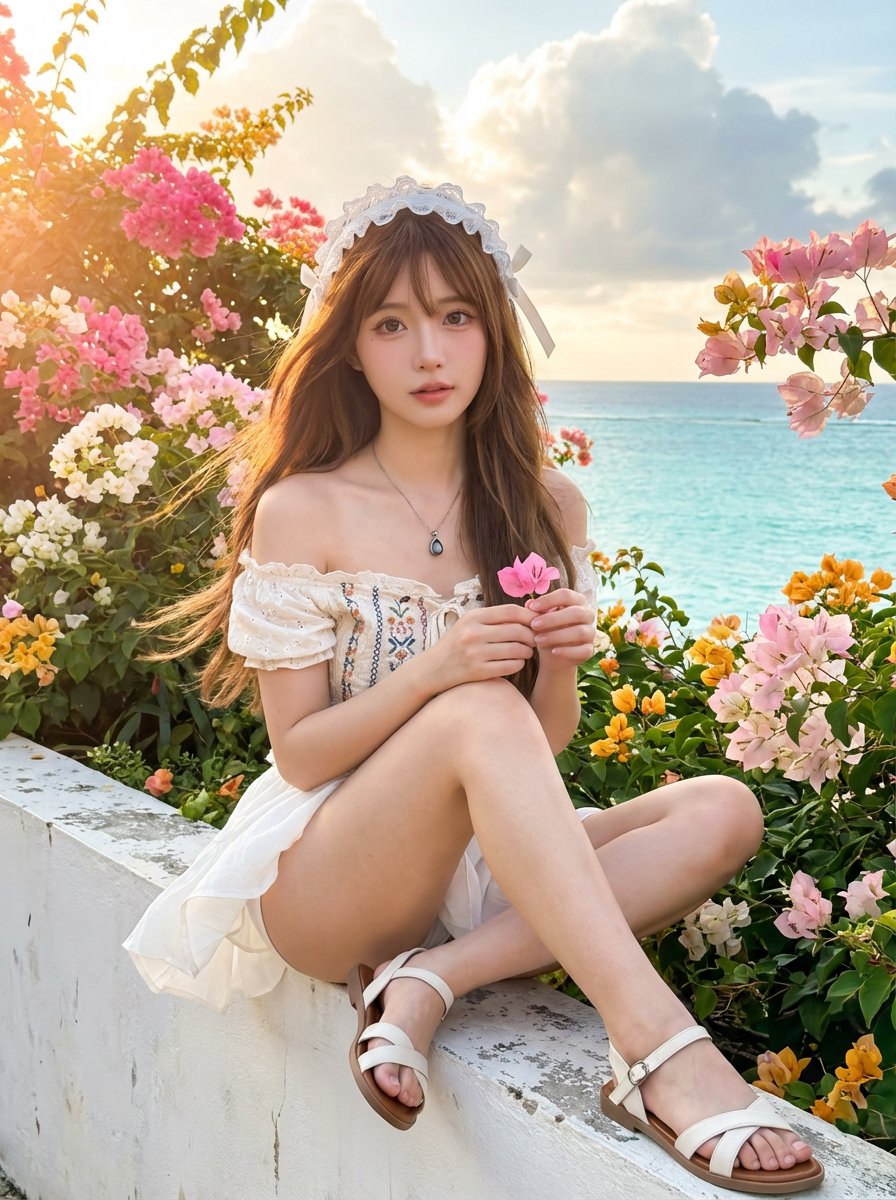
Recreate the uploaded person in a {argument name="setting" default="romantic rose-garden portrait"} inspired by the reference photo. The person is seated gracefully on a pale stone garden path, surrounded closely by dense blooming pink roses, soft green leaves, and layered floral bushes. Use a natural seated pose with the legs folded comfortably to one side, relaxed shoulders, elegant hands, and a calm, gentle expression while looking toward the camera.

Choose an outfit automatically based on the uploaded person’s appearance, hairstyle, body proportions, and personal style. The clothing should feel flattering and harmonious with the romantic garden setting, using soft {argument name="colors" default="blush pink, ivory, cream, or pastel tones"}, with tasteful floral, chiffon, lace, ribbon, or layered fabric details. Do not force one specific dress design. Keep the outfit realistic, refined, and physically believable.

Soft diffused daylight, subtle backlight through the flowers, delicate shadows, dreamy pastel color grading, shallow depth of field, softly blurred background roses, romantic editorial photography, realistic fabric texture, natural hair strands, realistic skin pores, accurate anatomy, natural hands and fingers, lifelike body proportions, high facial identity accuracy, professional full-body portrait, square composition.

Keep the uploaded person clearly recognizable and photorealistic. No artificial beauty filter, no excessive skin smoothing, no plastic skin, no doll-like face, no anime or illustration style, no CGI appearance, no watermark, no logo, no text.

Negative Prompt:

anime, manga, illustration, 3D render, CGI, doll face, plastic skin, waxy skin, excessive retouching, over-smoothed face, fake facial features, identity change, copied reference face, distorted anatomy, incorrect body proportions, extra fingers, fused fingers, malformed hands, stiff pose, floating limbs, overly revealing outfit, exaggerated accessories, oversaturated pink, harsh lighting, blurry face, low resolution, watermark, logo, text, signature- Category
- Posters & Typography
- Model
- GPT Image 2
- Creator
- Shinning
- Source ID
- 25535
- Published
- Jun 13, 2026
Views1