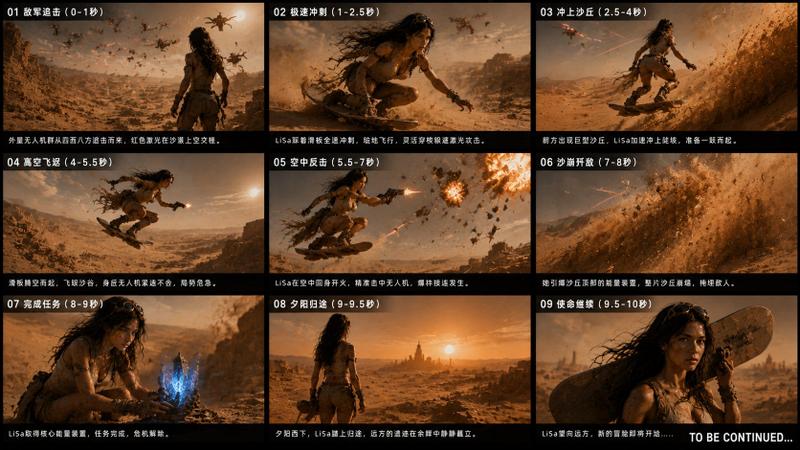
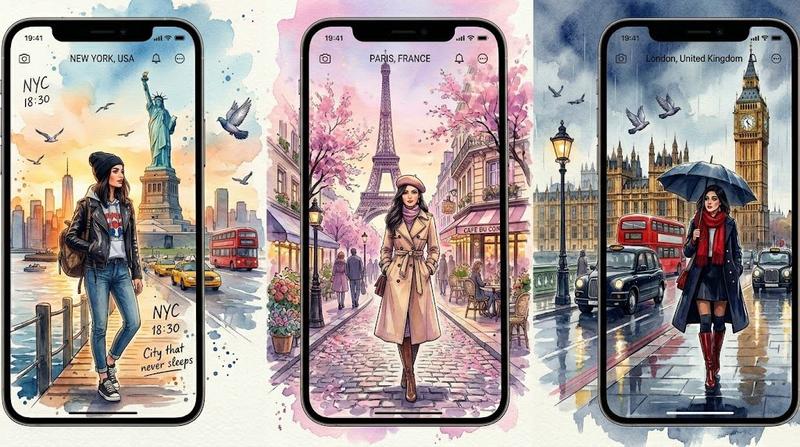
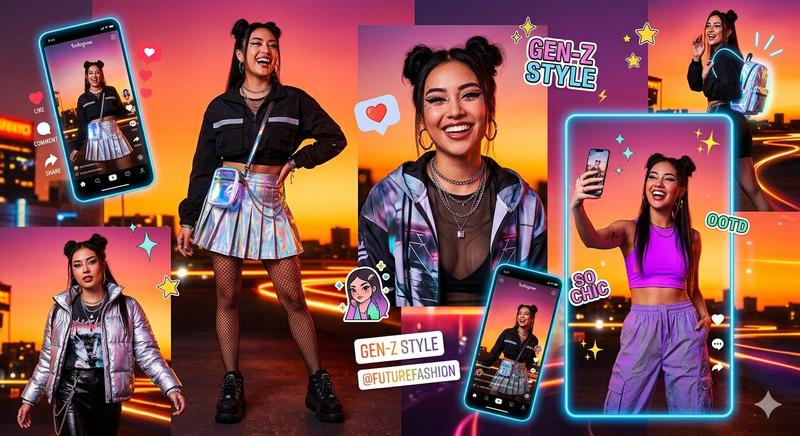
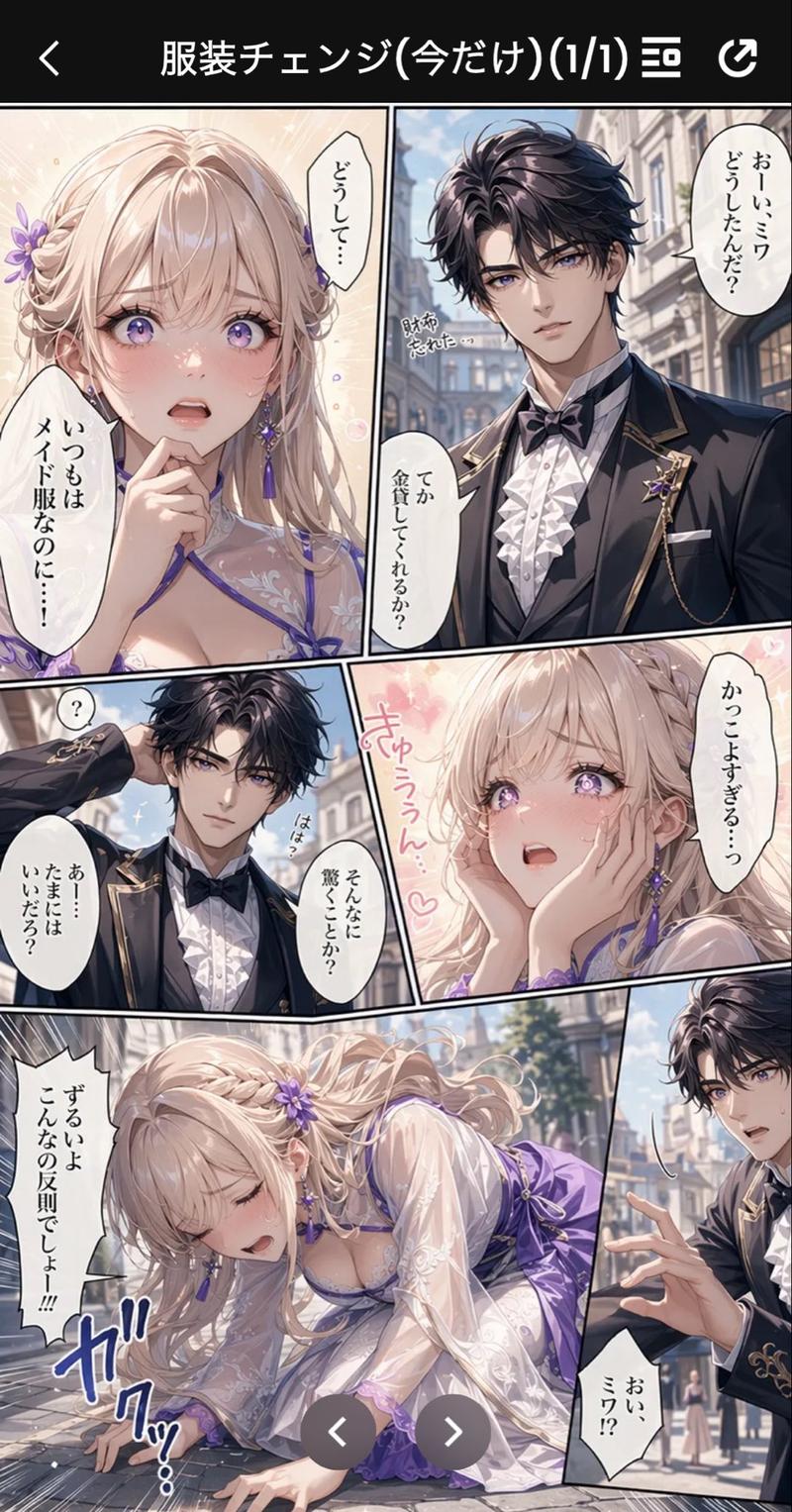
四模型游牧民族肖像对比
Prompt
Goal: Create a wide horizontal model-comparison banner showing four side-by-side photorealistic portrait results of the same prompt, each labeled underneath.

Canvas: Extra-wide landscape aspect ratio, approximately 4:1, with a thin white label strip along the bottom. The image area is divided into exactly 4 equal vertical portrait panels separated by clean straight boundaries.

Layout: Four discrete panels from left to right, each occupying one quarter of the width. Beneath the panels, place one black text label centered or left-aligned within each panel’s bottom white strip. Use exactly these 4 labels: “GPT Image 2”, “Reve 2.1”, “Seedream 5.0 Pro”, and “Gemini 3.1 Flash 2K”.

Subject details: Each panel depicts a realistic cinematic portrait of {argument name="subject" default="a Mongolian or Central Asian nomadic woman in traditional winter clothing"}. She wears a large fur hat with ornate embroidered fabric, heavy layered fur or wool garments, braids, weathered skin, and a serious calm expression. The portraits should look like different generations or variations of the same cultural theme: panel 1 is a close-up of a middle-aged woman facing slightly left with warm side lighting; panel 2 is a stern woman with two braids and a burgundy embroidered fur hat, looking off to the right, with a hint of an eagle at the lower left edge; panel 3 is an elderly woman with rosy weathered cheeks and gray braids, wearing a richly decorated fur hat against a sunset mountain valley; panel 4 is an older woman in a dark coat and fur hat holding a small object or glove, with a rider or eagle hunter and a white yurt/ger in the distant background.

Environment: Use {argument name="setting" default="a rugged steppe and mountain landscape at golden hour"}, with shallow depth of field, muted earth tones, distant mountains, open grassland, and warm dramatic light.

Visual style: Hyperrealistic documentary photography, cinematic color grading, natural skin texture, high detail in fur and embroidered textiles, medium-to-close portrait framing, soft bokeh backgrounds, subtle film grain, no cartoon style.

Constraints: Include exactly 4 portrait panels and exactly 4 bottom labels. Keep the bottom label strip plain white with simple black sans-serif text. Do not add logos, watermarks, extra captions, borders, UI chrome, or additional panels.- Category
- UI & Interfaces
- Model
- GPT Image 2
- Creator
- Oliver Johansson
- Source ID
- 28316
- Published
- Jul 10, 2026
Views5